
How Customer Signals Drive Pricing Intelligence: A Technical Blueprint
Modern shoppers are savvy - 87% check online reviews and compare prices before buying anything. Your business success depends heavily on pricing strategy. Set prices too low and you’ll lose money. Price items too high and customers will shop elsewhere.
The numbers tell an interesting story. McKinsey research shows that even a tiny 1% price improvement can increase operating margin by up to 11%. Smart pricing solutions help solve this challenge. Today’s pricing intelligence software tracks and analyzes customer behavior patterns to help you find the perfect price point. This sweet spot maximizes revenue while keeping sales volume strong. Real results back this up. One retailer switched from fixed offers to elasticity-informed campaigns and saw their promotional ROI jump by 15%. Businesses simply can’t compete today without a detailed pricing intelligence platform.
This piece will show you how customer signals work alongside competitor data to create effective pricing strategies. You’ll see how pricing intelligence tools turn this applicable information into profitable business decisions.
Understanding Customer Signals in Pricing Context
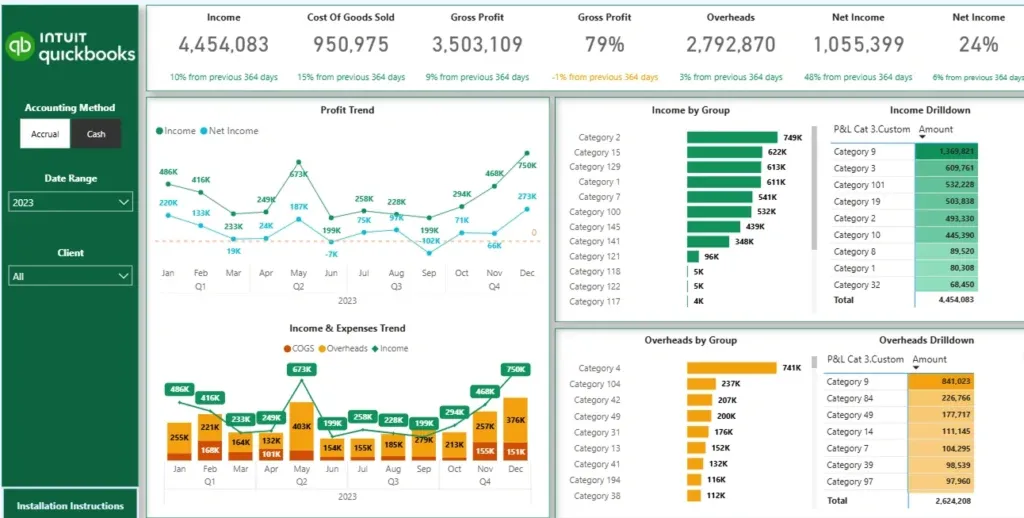
Image Source: Vidi Corp
Customer signals are the foundations of useful pricing intelligence. These indicators show what customers need, their priorities, and behaviors that affect their buying decisions. Research shows companies that extensively use customer analytics are twice as likely to generate above-average profits compared to others. You can build trust and long-term value by anticipating needs and delivering results based on these signals.
Types of customer signals: behavioral, transactional, contextual
Customer signals come in three main categories that reveal different aspects of buyer readiness:
Behavioral signals show what customers actually do. Website visits, product page views, cart abandons, and email interactions fall into this category. A customer shows potential buying intent by spending time on your pricing page or downloading product information. Sales teams that reach out within an hour of detecting these buying signals are seven times more likely to have meaningful conversations with decision-makers.
Transactional signals include completed actions like purchases, returns, renewals, or cancellations. These signals give solid proof of customer satisfaction and loyalty. You can spot price sensitivity thresholds and find the best discount strategies through these patterns.
Contextual signals help arrange your pricing strategy with customer’s real-time engagement. This approach creates timely, customized pricing opportunities by focusing on immediate interests and current market conditions rather than just historical data.
How customer signals differ from competitor signals
Competitor signals tell you what others in your market do, while customer signals reveal buyer needs and intentions directly. This difference is significant for pricing intelligence platforms.
Competitor signals give external measures but miss your unique customer base’s willingness to pay. Customer signals reveal actual buying intent through behavior patterns. To cite an instance, 47% of buyers review three to five pieces of a company’s content before talking to a salesperson. This provides valuable data about their buying experience.
Customer signals also help identify patterns unique to your audience segments. You can create dynamic, targeted pricing instead of just reacting to competitor moves.
Why customer signals are critical for pricing accuracy
Customer signals boost pricing accuracy by giving live feedback on purchasing decisions. Companies that connect structured feedback, digital behavior, sentiment, and operational systems can move from scattered insights to coordinated pricing action.
These signals can predict future behavior. McKinsey’s research found that companies using customer analytics extensively perform better throughout the customer lifecycle. They are nine times more likely to maintain superior customer loyalty and 23 times more likely to outperform less analytical peers in acquiring new customers.
Customer signals uncover hidden price sensitivity thresholds. Your pricing intelligence software tracks behavior patterns like hesitation at specific price points or increased sales after certain discounts. This gives precise insights into optimal pricing windows.
British consumers feel more comfortable with contextually targeted experiences than purely behavioral targeting - 79% according to studies. This suggests that combining both approaches in your pricing intelligence engine creates the most effective strategy.
Data Collection Methods for Customer-Driven Pricing Intelligence
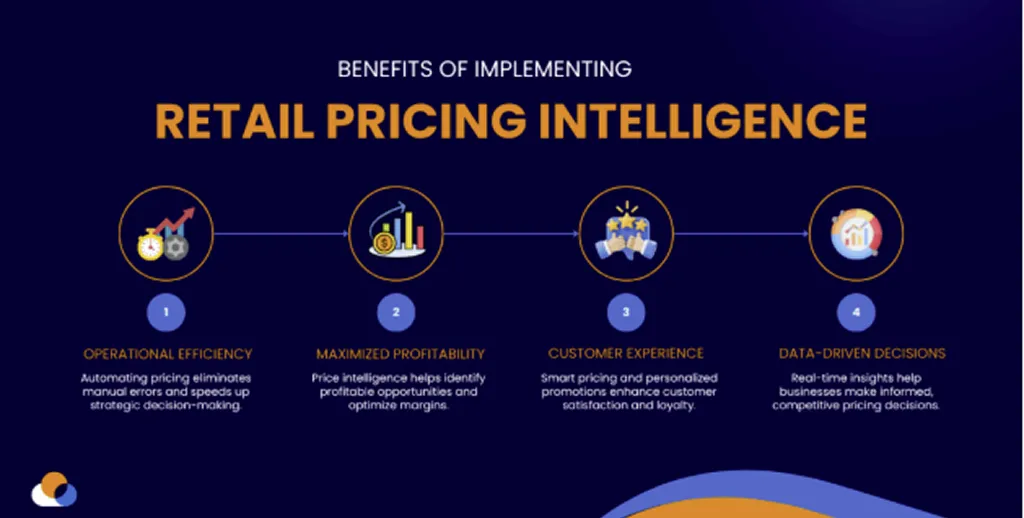
Image Source: 42Signals
Accurate customer data forms the technical backbone of any pricing intelligence strategy that works. Your systems should capture, integrate, and analyze customer behavior across multiple touchpoints to make smart pricing decisions. Companies that use automated intelligence tools can respond to market changes 68% faster than those using manual methods.
Real-time signal capture from eCommerce platforms
Modern markets need live data collection. Today’s pricing intelligence software captures customer signals as they happen, unlike old methods that relied on periodic competitive analyzes. These systems update data hourly, giving you the most current view of the market.
Real-time signal capture works through several key mechanisms:
-
API and webhook integrations push pricing data and alerts straight into your systems, removing delays between customer actions and your response
-
Automated data collection pulls from competitor websites, third-party marketplaces, and customer reviews
-
Event-triggered processing flags customer behaviors like cart abandonment or price comparison activities right away
Advanced pricing platforms can track tens of thousands of customer events every second and process these signals to spot buying patterns. This becomes even more valuable since 70% of business chat conversations involve customers making buying decisions.
Integrating CRM and POS data streams
POS and CRM systems are packed with customer data that shapes pricing decisions. Your pricing intelligence needs smooth integration between these systems:
AI-powered data integration combines POS transactions, CRM interactions, inventory logs, and social sentiment into unified dashboards. Manual exports and their errors are now a thing of the past.
Smart pricing intelligence engines pull data from:
-
E-commerce platforms (orders, product listings, stock levels)
-
Point-of-Sale systems (in-store transactions, loyalty data)
-
CRM systems (detailed buyer profiles and purchase patterns)
This integrated approach lets you track customer behavior across channels and understand how pricing sensitivity varies between sales channels. Your pricing intelligence platform can analyze past sales data with real-time behavior to find pricing opportunities for different customer segments.
Using web analytics to track price sensitivity
Web analytics helps you learn how potential customers react to your pricing strategy. Behavioral web tracking shows actual price sensitivity, unlike traditional surveys:
Conversational surveys discover pricing objections that standard analytics miss. AI-powered follow-up questions can dig deeper when visitors mention price concerns to understand if they’re comparing options or facing budget limits.
Web analytics spots essential pricing signals such as:
-
Time spent on pricing pages
-
Comparison behaviors (multiple tabs open)
-
Exit intent after viewing prices
-
Cart abandonment rates at specific price points
These signals help spot price points where customers hesitate. Since 60% of consumers check prices online before buying, tracking these comparison behaviors is a great way to get intelligence for dynamic pricing models.
Your pricing intelligence solution gets better context by mixing quantitative behavior metrics with qualitative reasoning from smart surveys - something generic analytics alone can’t provide.
Building a Pricing Intelligence Engine with Customer Signals
Customer signals reveal their true value only after proper processing in a pricing intelligence engine. Your engine needs to turn unstructured customer data into practical pricing insights through sophisticated techniques.
Signal normalization and feature engineering
Signal normalization lines up attributes across platforms to ensure consistent comparisons. Poor normalization can compromise your pricing intelligence. A sportswear brand found that their leggings were priced 12% below similar items because their tool failed to recognize matching attributes. The brand recovered lost margins within a week after fixing the normalization.
Feature engineering transforms raw data into useful variables that improve pricing model performance. McKinsey reports that companies who excel at data preparation and feature engineering achieve 15-20% higher accuracy in their pricing models than those who just focus on algorithm selection. The most useful features include:
-
Ratios and percentages that relate raw values
-
Trend indicators showing changes over time
-
Customer-specific attributes that show willingness to pay
Feeding customer data into pricing intelligence software
Your pricing intelligence platform needs multiple connected data streams. Sales data makes your pricing setup understand demand, support automation, and boost profitability. Cost price, sales velocity, and market positioning together provide a complete view that helps with margin decisions.
Leading companies have built analytics-based price-setting engines that handle rapid new product introductions. This setup allows them to gather and analyze customer inputs semi-automatically for pricing decisions.
Training models with historical and real-time inputs
Good pricing models need both historical patterns and live signals. Historical pricing data offers rich information about market dynamics and consumer behavior. Learning your competitors’ price history helps you present your product well and avoid getting pricey mistakes.
Live data from sales transactions and online behavior helps your pricing intelligence engine spot immediate opportunities. Companies with successful pricing analytics invest in dynamic deal scoring to strengthen frontline decisions. Software companies using this approach have seen four to ten percentage-point increases in return on sales.
Your reporting systems should track pricing effects, especially with complex product portfolios. The best pricing intelligence engines use sophisticated dashboards. High-growth companies (44%) make use of these tools to track metrics and shape broader sales strategies.
From Signals to Strategy: Applying Insights to Pricing Decisions
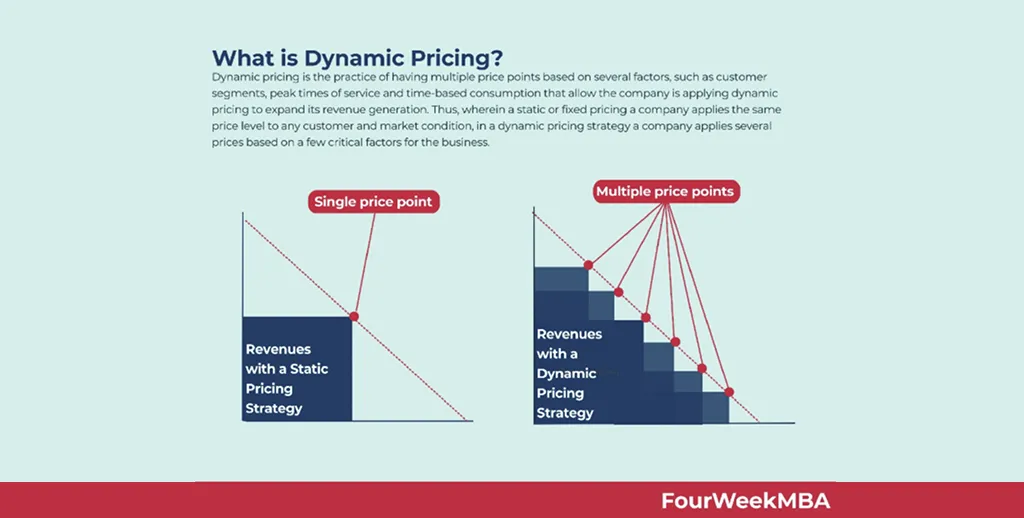
Image Source: FourWeekMBA
Raw customer signals can become revenue-generating pricing strategies through smart application of intelligence principles. A structured approach helps turn customer insights into profitable actions that match market conditions.
Dynamic pricing rules based on customer behavior
Product and service costs adjust through dynamic pricing as market conditions change. Customer demand patterns and competitive positioning play crucial roles. Digital platforms can adapt faster to market changes this way. E-commerce will likely handle 35 percent of all retail sales by 2027.
Amazon Marketplace and other companies don’t just match their competitors’ prices. They create offerings based on their customers’ priorities, browsing histories, and buying patterns. This smart strategy helps control excess demand during busy times. A rideshare company executive put it well: “Some people say, ‘I was going to pay $10.00, but I’m definitely not paying $20.00, $30.00, $40.00’”.
Data quality determines whether dynamic pricing succeeds. Even the best pricing algorithms make poor suggestions without reliable information. Good data foundations let pricing intelligence software adapt smartly. This helps identify the perfect moments to adjust prices that protect margins or boost sales.
Segment-based pricing using loyalty and location data
Your broader target audience splits into distinct groups through segment-based pricing. Each group has specific traits that help set individual prices based on what they’ll pay. Unlike product segmentation that offers different products at various prices, price segmentation sells similar products at different prices to specific customer groups.
Amazon Prime shows how pricing and loyalty work together perfectly. Their Prime Day event brought in nearly $13 billion in sales during 2023. Analysts estimate it added $5 billion in extra revenue. Prime membership has changed how people shop. About 75 percent of US households now have Prime memberships. These members spend four times more than non-members over their lifetime.
Loyalty data monetization helps businesses refine this approach further. Retailers team up with third-party data providers to create exclusive spaces. Suppliers can access detailed customer information through these partnerships. This collaboration creates individual-specific offers that reward current purchases and encourage trying new products.
Detecting demand shifts through signal clustering
Clustering algorithms help advanced pricing intelligence platforms spot patterns in customer behavior that show demand changes. These methods group customers with matching traits to predict what each segment needs.
Traditional analytics might miss subtle market changes, but clustering catches them. To cite an instance, mean shift clustering algorithm compares old and new datasets to find quality differences between distributions. Pricing analysts learn about why customer behavior patterns change through this approach.
Pricing intelligence platforms turn these clustering abilities into business advantages. Companies can spot new opportunities before competitors and adjust their pricing strategy.
Choosing the Right Pricing Intelligence Platform
Choosing the right pricing intelligence platform depends on how well it handles customer signals and provides useful insights. Your success largely depends on finding software that matches your business needs and works with your current technology.
Evaluating platforms for customer signal integration
Good pricing intelligence platforms turn scattered customer data into clear insights. Systems should combine data from many sources—including competitor websites, third-party marketplaces, and customer reviews. Many platforms handle internal data well but struggle to make sense of ground data, despite their marketing claims. You should focus on data quality and coverage after setting your goals. This helps you understand the depth of information you need.
Key features: real-time updates, segmentation, automation
A resilient pricing intelligence platform should calculate prices immediately when commercial systems request them. This feature becomes crucial as digital commerce puts pressure on even well-staffed pricing teams. The platform should have:
-
Simple dashboards with important daily metrics
-
Price adjustments by channel, region, or customer segment
-
Tools to test small price changes
Managing inventory in real time stops overselling. The system also watches competitor prices and makes changes within set limits.
Integration with ERP and eCommerce systems
Your pricing intelligence solution must work smoothly with your current systems. Companies face wrong prices, incorrect inventory counts, and manual order entry problems without this smooth connection. Modern systems exchange data both ways—orders and customers move from eCommerce to ERP, while products, prices, and inventory flow from ERP to eCommerce. In spite of that, integration projects often fail when teams don’t clearly define who owns which data sources.
Conclusion
Modern pricing intelligence has grown from basic competitor tracking into a sophisticated field that uses customer behavior analysis. This piece shows how customer signals give better insights than competitor data alone. These insights help businesses set prices that match market demand and customer value perception.
Customer signals show real purchasing intentions through behavior, transactions, and context rather than suggesting possible price points. Companies using these signals adapt to market changes faster and outperform competitors by up to 68% in response time.
A well-designed pricing intelligence system brings multiple components together naturally. The system captures up-to-the-minute information across platforms while signal normalization enables consistent comparisons. Feature engineering turns raw data into useful insights. These elements create dynamic pricing rules that adapt to customer behavior patterns.
Segment-based pricing strategies work best with loyalty and location data. A great example is Amazon Prime, which generates billions in extra revenue by targeting specific customer segments.
Your choice of pricing intelligence platform plays a crucial role. The platform should provide instant updates, strong segmentation features, and merge well with existing ERP and eCommerce systems. Even the best pricing strategy will face challenges without these key features.
Moving from competitor-focused to customer-signal-driven pricing marks a fundamental change in retail strategy. Companies making this change see major gains—up to 11% increases in operating margins from just 1% pricing improvements.
Digital markets and customer expectations keep changing. Your pricing intelligence capabilities need to evolve too. Success belongs to businesses that pay attention to customer actions rather than just competitor prices.