
How to Master Data Quality Audits: A Step-by-Step Guide to Better Pricing
A data error costs just $1 to prevent, $10 to fix later, and $100 if you ignore it. This 1-10-100 rule of data quality audits emphasize the steep price of poor data management.
Flawed information in pricing decisions creates problems way beyond wasted resources. Forrester reports that all but one of these B2B marketing leaders don’t trust their organization’s marketing data to make decisions. Data auditing has become crucial for businesses that want accurate pricing.
Quality data are the foundations to understand your customer’s behavior, purchases, and values. The path to maintain this quality isn’t easy. Data teams face at least 6 quality incidents per table monthly. Each incident needs 4 hours to spot and 9 hours to fix.
Getting this right pays off big time. McKinsey shows that companies boost their margins by 2-7% in under a year by investing in advanced pricing data capabilities. Companies with mature data collection practices make faster and more confident pricing decisions than their peers 85% of the time.
This piece will walk you through data audits, help you plan and execute data auditing techniques that work, and show you how to set up continuous monitoring for better pricing accuracy.
Understanding Data Quality Audits
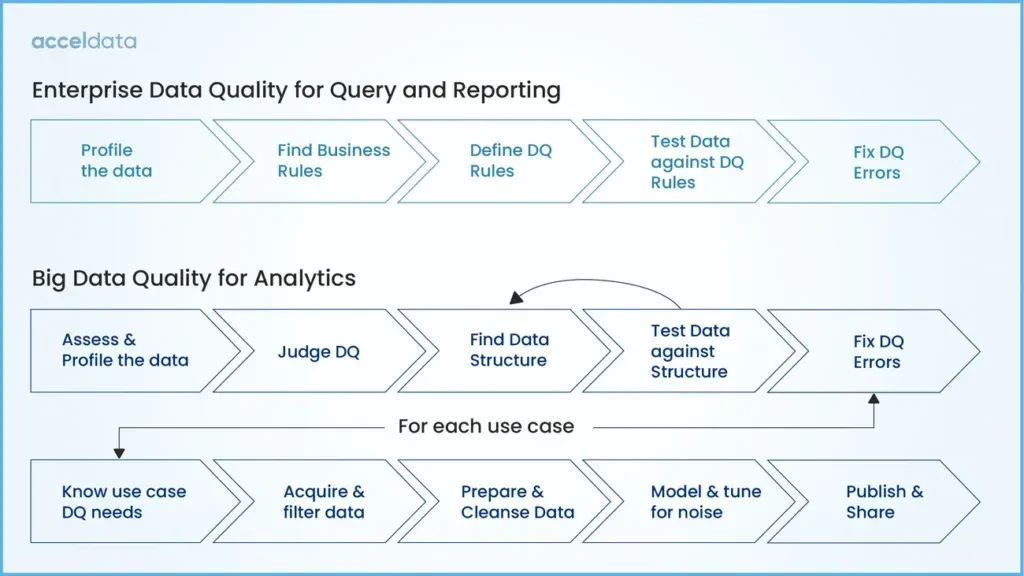
Image Source: Acceldata
A data quality audit checks your data systematically to make sure it’s accurate, consistent, and secure. The process analyzes how well your organization’s information meets internal guidelines and external regulations. Data audits do more than find errors—they check your entire data ecosystem to verify everything is complete, timely, and strategically relevant.
What is a data audit and why it matters
Data auditing looks at enterprise data to make sure it’s useful and secure. The main goal is to spot errors, risks, or anomalies and fix them quickly. This complete review helps find inconsistencies, inaccuracies, and redundancies while making sure you comply with data protection regulations.
Organizations face major business risks without regular audits. Bad quality data creates faulty insights, regulatory penalties, security vulnerabilities, and damages customer relationships. Regular data audits also help optimize processes, boost efficiency, and reveal opportunities for innovation.
Key differences: audit vs. assurance vs. governance
These three concepts work as distinct layers of data reliability, though people often mix them up. An audit checks accuracy and compliance by looking at what’s broken in your data systems. Assurance services build confidence in your system’s quality and show how well things work beyond just following rules.
Governance acts as the strategic center that brings together all data management activities, including auditing. An audit spots existing problems, assurance stops future issues, and governance creates rules and structure that keep data consistent at scale.
The 1-10-100 rule explained
George Labovitz and Yu Sang Chang developed the 1-10-100 rule in 1992 to show how poor data quality costs grow. This basic principle shows that:
-
Prevention costs $1 per record to verify data as it’s entered
-
Correction costs $10 per record to fix errors after they happen
-
Failure costs $100 per record yearly when errors stay unfixed
The financial effects are clear. About 47% of new records have major errors. A company with one million records faces 470,000 problematic entries that cost $47 million yearly in operational expenses and missed opportunities. Smart data quality management isn’t just a good idea—your bottom line depends on it.
Planning Your Audit for Pricing Accuracy
A well-laid-out plan serves as the foundation of any successful data quality audit for pricing accuracy. You need clear objectives, a defined scope, involved stakeholders, and the right tools to create useful insights.
Set clear goals for pricing data
The first step is to establish specific objectives that line up with your company’s goals. Your pricing audit should help achieve broader business targets like revenue growth, better profits, or improved market share. You might want to create SMART objectives - to name just one example, “Reduce pricing inconsistencies by 30% within the next quarter”. This targeted approach will help your efforts support overall business strategies instead of becoming just another technical task.
Define scope and select datasets
No one can audit all data at once, so you need a manageable scope. Data that substantially affects your pricing decisions should be your priority. Your data sources can be grouped based on centralized, regional, or local usage patterns. Centralized data needs more thorough audit coverage because of its wider reach, while local data might need less attention. This stage should include a review of your current pricing practices, discounts, customer segmentation, and competitive landscape.
Identify stakeholders and assign roles
Put together a cross-functional “pricing committee” with team members from sales, finance, product development, and marketing. Each member brings their own viewpoint about data quality needs. You’ll need specific data stewards to watch over quality standards. Clear roles, responsibilities, and authority levels must be set - some team members might need the power to stop processes when they spot data issues. Companies with registered stakeholders can cut audit evidence collection by 12 days and reduce findings resolution from 34 to 8 days.
Choose the right data auditing tools
Pick tools that work naturally with your current systems like CRM, ERP, and accounting software. Look for adaptable solutions that offer strong data integration features and grow with your business. Make sure to ask for live demos or trial periods so your team can test how things work. The return on investment should go beyond initial costs - you want tools that provide long-term value through automation and better decision-making.
Executing the Data Quality Audit
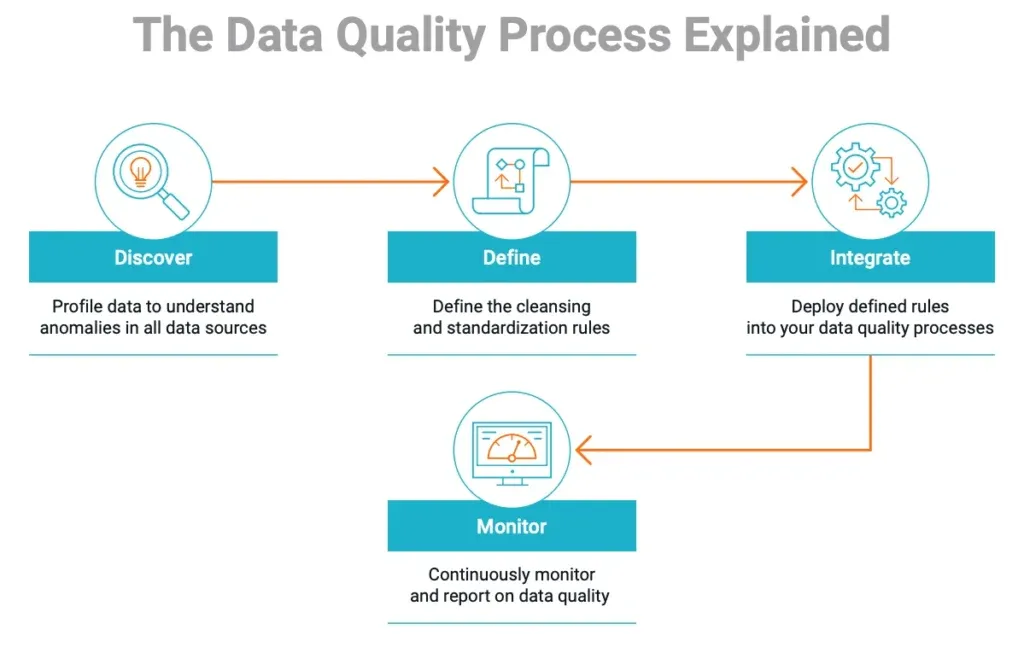
Image Source: Informatica
Your data quality audit needs methodical execution through four key stages after the planning phase.
Establish metrics for accuracy and completeness
Start by setting specific, measurable metrics for each data quality dimension. Accuracy shows how well data matches ground values, which helps ensure correct customer and financial information. Completeness checks if all needed data exists without gaps. You should set acceptable thresholds—maybe even 98% completeness for critical pricing fields. These standards give you clear targets to measure your data’s health.
Profile and analyze your pricing data
Gather the data within your scope and use data profiling techniques to get a broad view. Look at frequency distributions, value ranges, and find patterns. Use your preset metrics to check actual data quality against standards. Your automated profiling tools can scan for anomalies continuously and show error counts and validity ratios.
Document issues and assess business impact
Each issue needs these details:
-
A clear problem description
-
Affected data elements
-
Violated quality dimensions
-
Measured impact percentage
Business effects can include lost revenue, wasted resources, poor decisions, and team burnout.
Perform root cause analysis
Root cause analysis shows why profit leakage happens. Instead of fixing symptoms, break down why errors occur—this could be due to poor data entry forms or broken system integrations. This repeating process helps improve coverage and stops problems from coming back.
Post-Audit Actions and Continuous Monitoring
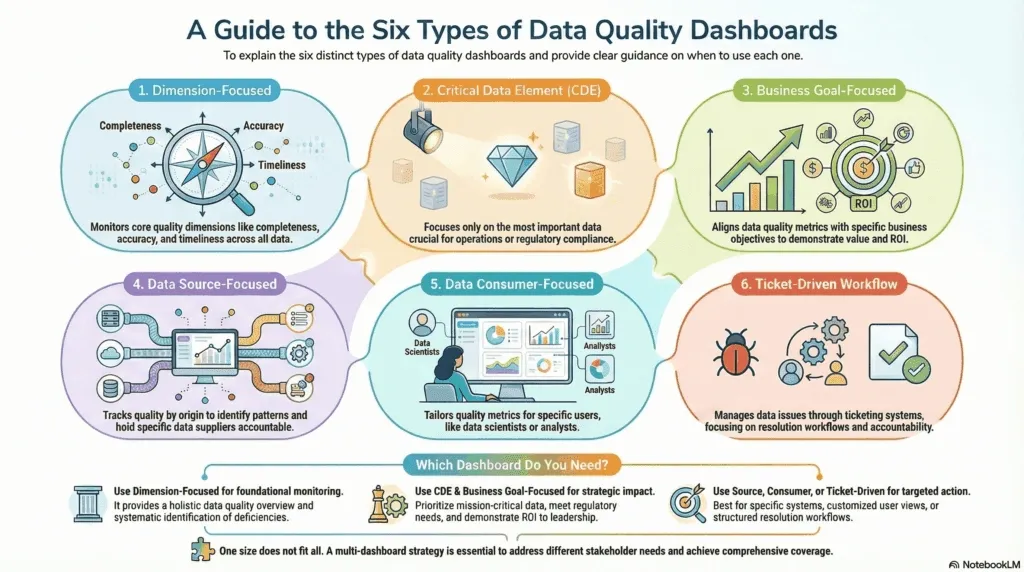
Image Source: DataKitchen
The data quality audit reveals issues that need action. Success comes from making improvements based on what you learn, not just completing the audit.
Create a remediation plan
Your priority list should reflect each issue’s business effect and the work needed to fix it. Start with “quick wins” that give high value without much effort. Each task needs a clear owner and realistic deadline for accountability. You can take the free profit pulse audit to see which pricing data problems affect your profits the most.
Cleanse and enrich pricing data
Good data cleansing makes pricing data better through improved classification, aligned currency rates, and removal of irrelevant numbers from calculations. B2B data loses accuracy by 70% each year, which makes regular cleansing necessary. This approach helps find ways to save money and shows supplier performance clearly.
Automate fixes with ETL processes
Quality checks should be part of your data pipelines. A well-laid-out ETL (Extract, Transform, Load) system handles validation, standardization, and transformation automatically. AI-powered ETL improves quality through smart validation that spots unusual patterns based on past data. This helps catch problems before they affect your analytics.
Set up continuous data observability
Data health needs constant monitoring rather than occasional audits. Data observability tools track quality metrics and notify team members about unusual patterns. The system works best when responsibilities are clear and all alerts go to one place - a dedicated Slack channel works well.
Conclusion
Data quality audits are the life-blood of effective pricing strategies. This piece shows how examining your pricing data systematically prevents errors from getting pricey and boosts confidence in decisions. Yes, it is true that switching from reactive to proactive data management creates real financial benefits. You’ll spend just $1 to prevent an error compared to $100 to fix it later.
Becoming skilled at data quality needs a methodical approach. Your first step is to set clear objectives that line up with business goals. The next step involves defining manageable scope and identifying the core team from different departments. The process continues with audit execution through careful measurement, profiling, documentation, and root cause analysis. The final phase involves putting remediation plans in place and setting up continuous monitoring systems for lasting results.
Note that data quality isn’t a one-time project - it needs steadfast dedication. Companies that make data excellence a priority usually see 2-7% margin increases within a year. The process also works better with automated tools that substantially cut down detection and resolution times for quality incidents that pop up.
Your journey to pricing excellence starts with reliable data. Therefore, investing in quality auditing processes pays off through quicker decisions, fewer errors, and healthier profit margins. You can start small, but the important thing is to start today - every pricing decision depends on the quality of information behind it.