
How to Segment Customers: Why Behavior Beats Demographics in 2026
AI-powered customer segmentation has caught the attention of 54% of organizations, yet only 17% currently use it. This gap creates a chance for innovative businesses to gain a competitive edge by improving their marketing strategy.
Your marketing efforts become more focused when you target specific customer groups instead of using a generic approach. Customer segmentation that appeals to specific needs leads to better loyalty, satisfaction, and higher conversion rates. Each major customer segment need
s buyer personas that help you learn about their buying habits, priorities, and interests.
The marketing landscape will look different by 2026. Behavioral approaches are taking over from traditional demographic segmentation. These new methods show what customers do rather than just who they are. This fundamental change makes shared targeting and tailored experiences possible at scale. This piece explains why behavioral data matters more now, shows you how to build behavior-based segmentation strategies, and provides real examples to apply in your business.
Why customer segmentation matters in 2026
Customer segmentation has become crucial in 2026’s digital world, not just another marketing tactic. Markets are fragmenting and consumer behavior changes faster than ever. Companies that understand how to segment customers will thrive, while others fall behind.
Changing consumer expectations
Today’s consumers just need experiences tailored to their needs. A striking 71% of consumers expect personalized interactions with companies, and 76% report frustration when personalization doesn’t happen. This shows a fundamental change in how buyers and sellers interact.
Consumer behavior has changed drastically since 2020. 50% of consumers now actively seek products that reflect their unique personalities. 80% of consumers surveyed prefer brands offering individual-specific experiences and report spending 50% more with such brands.
These changes reflect deeper social shifts. Past generations’ homogeneity has given way to remarkable diversity. Baby Boomers were 75% white, while Gen Z is only about 50% white with much greater diversity in multiple aspects. Such demographic changes create a fragmented marketplace where generic approaches fail to strike a chord.
The rise of personalization
Personalization has grown from a marketing buzzword into a business necessity in 2026. Research shows that businesses that use AI-powered personalization see a 20-30% increase in sales conversions. Companies implementing targeted promotions can achieve a 1-2% lift in sales and a 1-3% improvement in margins.
A big gap exists between perception and reality. 92% of retailers believe they effectively offer individual-specific experiences, but only 48% of consumers agree. This disconnect shows how challenging it is to deliver meaningful personalization at scale.
Retailers now plan to use 59% of their marketing budget for personalization initiatives. They recognize that AI and machine learning enable unprecedented levels of customization. Personalization now includes:
-
Hyper-localized store assortments
-
Location-specific pricing structures
-
Custom products tailored to individual needs
-
Personalized shopping experiences across channels
From mass marketing to micro-targeting
The move from mass marketing to micro-targeting marks a profound change in customer segmentation strategies. One industry expert notes, “What’s happening is we’re getting more precise about offerings that directly target micro-segments of the market”.
This progress reflects basic changes in people’s self-identification. Traditional demographic anchors have weakened by a lot. In 1970, only 9% of people aged 18-35 had never been married. By 2020, that number jumped to 35%. Companies must develop more sophisticated segmentation approaches.
Leading companies now segment customers based on specific behaviors, priorities, purchase histories, engagement metrics, and lifecycle stages. Some organizations have moved from simple segmentation (5-10 segments) to sophisticated micro-segmentation (5-5,000 segments) to deliver relevant experiences.
Research indicates that 80% of businesses using segmentation report increased sales. This approach helps companies target messages effectively and develop optimized products, pricing structures, and distribution channels for specific customer segments.
By 2026, segmentation and personalization work together in a circular pattern. Better segmentation enables more effective personalization, which creates more data for increasingly refined segmentation.
Types of customer segmentation explained
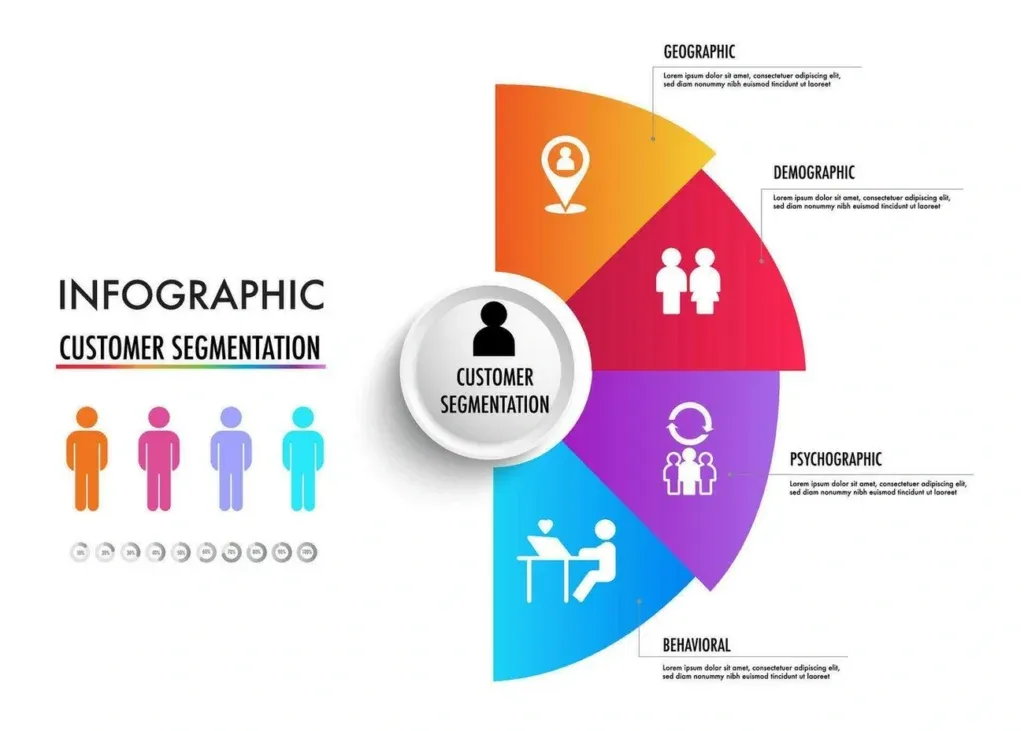
Image Source: Vecteezy
A solid marketing strategy starts with knowing how to classify your audience. Market segmentation splits your audience into groups that share common traits. This helps create approaches that strike a chord with each specific audience. Let’s look at the four main segmentation models successful businesses use in 2026.
Demographic segmentation
Demographic segmentation groups customers by observable, measurable population traits. Your audience gets divided by age, gender, income, education, occupation, family size, and nationality. This method reveals the “who” behind your customers’ identities.
Different life stages from Gen Z to Baby Boomers show unique spending habits and platform priorities through age segmentation. Your pricing strategies and product offerings can adapt to income-based divisions. Lower-income groups often look for value while higher-income segments lean toward premium options.
Your customer’s family structure plays a big role. Singles focus on personal needs, couples put each other first, and families with children need something completely different. These family dynamics shape buying patterns and responses to marketing messages by a lot.
Surveys, third-party sources, and public records make demographic data easy to collect. However, this data only scratches the surface of customer understanding. Smart businesses now mix demographics with other segmentation approaches.
Psychographic segmentation
Psychographic segmentation takes a closer look at the “why” behind consumer choices. It analyzes values, attitudes, lifestyles, and motivations. Demographics tell you who customers are, but psychographics show what drives their decisions.
This method offers great ways to understand inner drivers, improve communication, develop customer-focused products, see the whole market picture, and build loyalty. You learn a lot by connecting people’s stated values with their actual behavior.
Personality traits, lifestyle choices, attitudes, values, interests, opinions, social status, and hobbies make up psychographic variables. Adventure seekers respond well to exciting messages, while environmentally conscious buyers prefer sustainability-focused communication.
Real insights emerge when psychographics mix with other data types. Demographics provide simple context, while transaction and behavior data show actual buying patterns that psychographic insights help explain.
Behavioral segmentation
Behavioral segmentation looks at how and when customers spend money on your products or services. Actual actions matter more than assumed traits, which helps predict future decisions.
Customers fall into these groups:
-
Purchasing behavior—regular customers, occasional users, offer seekers, and impulsive buyers
-
Occasion purchasing—holiday, special event, or seasonal buying patterns
-
Usage patterns—frequency, duration, and intensity of product use
-
Benefits sought—specific advantages customers want
-
Loyalty levels—most valuable repeat customers
You’ll discover your power customers, what benefits drive purchases, customer loyalty levels, and where each person stands in their buying experience.
Geographic and technographic segmentation
Geographic segmentation creates groups based on physical location, including country, city, region, climate, and language. Messages can adapt to regional priorities, marketing budgets can be allocated better, and climate-specific needs can be targeted.
Technographic segmentation, a newer method, looks at the technology people use. This includes device types (mobile vs. desktop), operating systems, browser choices, and software applications. Technology preferences help optimize digital experiences across platforms and ensure products work naturally on preferred devices.
A complete picture of your customers emerges when you combine all four segmentation approaches. This comprehensive view shapes everything from product development to marketing communications, creating tailored experiences that boost conversion and loyalty.
Why behavioral segmentation is more powerful
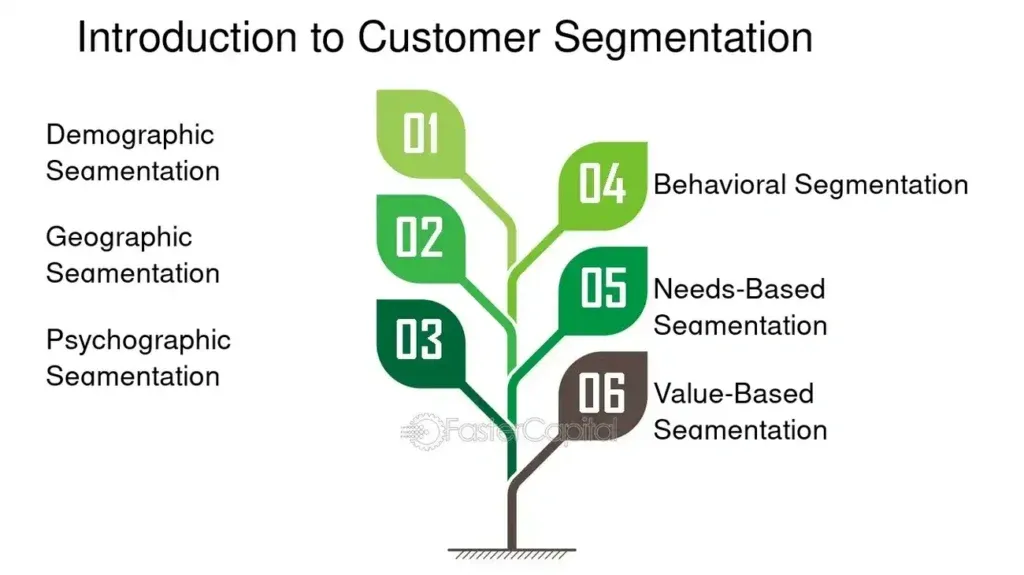
Image Source: FasterCapital
Marketing in 2026 goes beyond traditional segmentation methods. Behavioral segmentation helps businesses build deeper customer connections. Let’s look at why tracking customer actions works better than focusing on who they are.
It reflects real actions, not assumptions
Your market segments emerge from how people interact with your brand, not from educated guesses about their priorities. This method looks at what customers actually do - their purchases, website visits, app usage, and content choices. These actions paint a clear picture of reality.
Demographics make broad assumptions, but behavioral data shows exactly how customers use your products. This matters because 88% of surveyed respondents said they stay loyal to brands that personalize shopping based on their actual behaviors.
Behavioral segmentation helps you avoid the risky territory of assumption-based marketing. Research shows that assumptions often come from “a lack of data or failure to ask customers directly.” This leads to “missed opportunities, customer dissatisfaction, and lost business in the long run”.
Predictive power of behavioral data
Behavioral data helps forward-thinking businesses predict what comes next. Companies can forecast future actions by studying patterns in customer behavior and adjust their marketing plans.
Smart algorithms find connections between past and future actions. Studies that match different machine learning models found accuracy values between 0.787 and 0.826 in predicting what customers will do.
Companies that exploit behavioral data sell up to 85% more than their competitors. This edge comes from behavioral data’s power to show real intent and interest, making it more reliable than demographics alone.
Examples of behavioral segmentation in action
Big brands have shown how behavior-based segmentation works:
-
Amazon groups users who share similar priorities and trains its algorithms on past data to create personalized recommendations.
-
Netflix tracks viewing habits, ratings, searches, and browsing patterns to build custom homepages for each user.
-
Starbucks puts customers into groups like coffee lovers, convenience seekers, socializers, and occasional visitors. Then they run targeted campaigns for each group.
Online stores segment cart abandoners because they know this often happens due to shipping costs, payment issues, or price shopping. Subscription companies track how often people use their service each week to spot their most active users.
How to segment customers by behavior
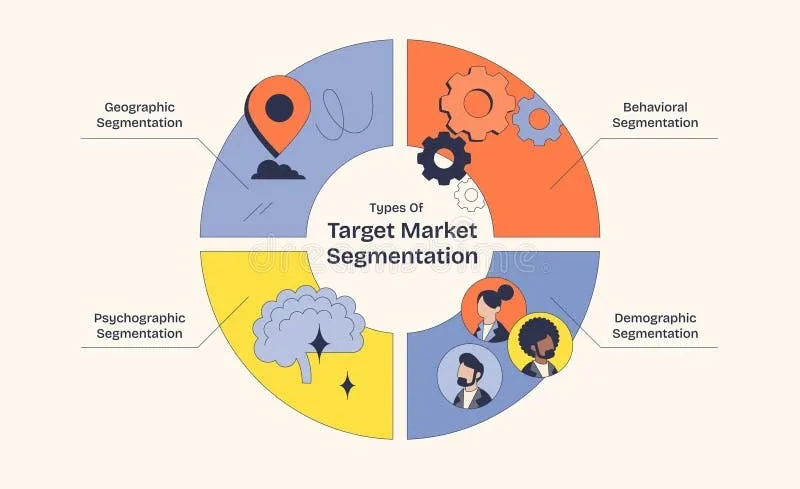
Image Source: Dreamstime.com
Let’s explore how to put behavioral segmentation theory into practice through specific data collection methods and smart implementation. Here’s a practical guide to transform customer actions into useful segments for your business.
Track purchase and browsing behavior
RFM analysis (Recency, Frequency, Monetary value) should be your starting point to categorize customers based on their purchasing patterns. This framework helps you assess three key factors: the time since customers’ last purchase, their buying frequency, and their typical spending. Purchase history data shows not just what customers buy, but also reveals their transaction timing and patterns.
Your understanding will improve by tracking session duration metrics that show the difference between quick two-minute visits and longer 30-minute content interactions. Page-per-session rates tell you if visitors find your content useful and relevant.
Use engagement metrics and loyalty data
Looking beyond purchases, engagement metrics create meaningful segments. Email open and click-through rates provide valuable insights, even with recent privacy changes. Feature adoption milestones help identify power users who use advanced features versus those who prefer simpler options.
Loyalty program data provides excellent segmentation opportunities. Research shows that 69% of marketers feel confident in their ESP’s personalization capabilities for lifecycle marketing. This data helps segment customers by:
-
VIP tier status and points balance
-
Referral activity patterns
-
Feature usage frequency
-
Subscription tier level (free trial, basic, premium)
Segment based on lifecycle stage
The lifecycle segmentation approach groups customers based on their relationship with your brand. Omnisend sorts customers into stages automatically by looking at recency (days since last order), frequency (orders in last 365 days), and monetary value. This method lets you customize messages for each stage.
SaaS businesses might divide customer tenure into segments like new sign-ups, 3-month users, and 1-year+ veterans. You should identify at-risk customers by creating segments based on purchase inactivity - such as those who made multiple purchases but haven’t bought anything in 90 days.
Behavioral triggers and automation
Behavioral triggers work like digital assistants that respond to specific customer actions automatically. You can set up workflows that take different actions when someone requests a demo or abandons their cart.
These triggers connect to your CRM system to bring together profile and behavior data, which links user identity with their actions. Automation conditional splits help deliver different messages based on the customer’s lifecycle stage - you can thank recent customers, give champions early access, and motivate loyalists to refer friends.
Combining behavioral with other segmentation models
Customer segmentation becomes most valuable when multiple models work together. They create a comprehensive view that exceeds what any single approach could achieve. Each segmentation method alone falls short of giving us the complete customer picture.
Layering behavior with demographics
Demographic variables act as a vital bridge to scale insights when behavioral data comes from limited samples like loyalty programs or receipt panels. This layering helps you model and project behavioral patterns across your total addressable market. The combination of these approaches creates a flexible segmentation strategy that works better. It lets you predict findings from smaller datasets to represent broader populations.
Using psychographics to explain behavior
Psychographic data clarifies the “why” behind customer actions and works well with behavioral data that shows “how” they act. This combination helps you learn about customer actions and their motivations. Psychographics show the attitudes, beliefs, interests, and lifestyle choices that drive purchasing decisions. You can get unique insights into what drives different segments by grouping people with similar psychographic traits.
Customer segmentation analysis example
To name just one example, see how a retailer identified three main buyer personas—“Tech-Savvy Innovator,” “Cost-Conscious Manager,” and “Risk-Averse Professional”. They used clustering algorithms to segment leads into these persona groups and developed tailored messaging for each. A luxury car manufacturer provides another example. They targeted high-income individuals (demographic) who showed interests matching their premium positioning (psychographic). Then they created ads that reflected these customers’ specific tastes and lifestyle aspirations.
Conclusion
Customer segmentation continues to evolve beyond traditional demographic approaches as we near 2026. Behavioral segmentation has emerged as the clear winner because it captures customer actions rather than assumed identities. Modern consumers have changed their expectations, and 71% of buyers just need personalized interactions that match their specific needs.
Companies that accept behavior-based segmentation gain exceptional advantages. Organizations that exploit behavioral data surpass competitors by up to 85% in sales. This shows the remarkable power of action-based insights. Knowing how to track purchase patterns, browsing behavior, engagement metrics, and lifecycle stages creates a multidimensional view that demographic data cannot match alone.
Notwithstanding that, the most effective segmentation strategies combine multiple approaches. Behavioral data reveals customer actions, psychographics explain their motivations, and demographics help scale these insights to broader populations. This layered approach builds rich customer profiles that enable customized experiences at scale.
Your segmentation strategy should focus on actual customer behavior while using demographic and psychographic data as supporting elements. RFM analysis implementation, engagement metric tracking, and behavioral trigger setup should be your first steps. Future pricing insights will help optimize your segmentation strategy’s ROI if you subscribe.
The transformation from mass marketing to micro-targeting represents maybe even the most profound change in customer segmentation. Modern businesses segment customers based on specific behaviors, priorities, purchase histories, and lifecycle stages instead of broad demographic categories. This precision helps deliver exactly what each customer segment needs at the right time. It revolutionizes marketing effectiveness and builds stronger customer relationships.