
What Does Transparent Pricing Mean and Why It Builds Customer Trust
Here’s a powerful reality: 94% of customers are more inclined to be loyal to a brand that provides transparency. Businesses seeking sustainable growth can no longer ignore what transparent pricing means. Transparent pricing means you display your costs, fees, and pricing structures without hidden charges or surprise additions. The internet has changed consumer behavior and increased the availability and transparency of pricing information across markets. Research shows that cost transparency can increase purchase interest by 21.1%. This piece gets into the transparent pricing meaning and how transparent cost disclosure and transparent fees build customer trust. You’ll find out how pricing transparency improves competition and benefits consumers. You’ll also find practical strategies to implement transparent pricing that drives loyalty and profitability.
What is pricing transparency
Pricing transparency refers to how available prices are or the disclosure of costs and margins. Transparent pricing means you show clear pricing information for products and services. This has all costs like fees, taxes and extra charges. The practice will give no hidden costs and promotes honesty between your business and customers.
Transparent pricing meaning explained
What does transparent pricing mean in practical terms? Your pricing becomes transparent when you openly share all pricing information with consumers. This has fees, taxes and additional costs. Four critical elements define transparent pricing. Consumers need to access your prices easily before they make purchase decisions. You must provide detailed information about all costs. Give itemized breakdowns so customers understand what they’re paying for and why. Your pricing should allow easy comparison between different providers or products through standardized formats. You need to maintain up-to-date information that reflects current rates.
Types of pricing transparency
Transparent pricing shows up in several distinct approaches. Flat rate pricing offers a single, all-inclusive price for a service or product. A home cleaning service might charge $100 per cleaning whatever the time or home size. Tiered pricing provides different service levels at varying price points and allows customers to choose according to their needs and budgets. Subscription pricing has regular payments for ongoing access to services. All-in pricing displays the complete cost upfront and has all fees and taxes. Consumers see the final price before checkout without surprise charges.
Transparency takes multiple forms in practice beyond pricing models. You can tell customers about all factors that determine their final price. This has manufacturing costs, distribution, labor, shipping and import duties. Price history reveals how prices changed over time through discounts, offers or RRP adjustments. Some businesses compare prices in the market and provide customers a live view of pricing on other channels. You can share the reasoning and data behind increases or decreases to explain price changes. This builds understanding and loyalty.
Transparent cost disclosure vs transparent fees
Transparent cost disclosure breaks down the production or service delivery expenses into understandable components. This has labor, materials, overhead and other operational costs. Transparent fees specifically address charges that service providers fully disclose and leave no hidden costs or surprises. These fees can be enrollment fees, monthly management fees, investment management fees and various administrative charges. Both approaches work together to eliminate financial uncertainty and build trust in your pricing structure.
How transparent pricing builds customer trust

Understanding what transparent pricing means becomes powerful when you recognize how it affects customer relationships. Trust is the foundation of every successful business transaction, and transparent pricing serves as one of the fastest ways to establish it.
Creates open communication between businesses and customers
You encourage customers to ask questions and seek clarifications when you disclose all costs associated with your products or services. This open dialog results in a more informed buying process. Service providers who outline all fees upfront enable customers to better understand what they’re paying for. This reduces confusion and promotes positive relationships. Your decision to share transparent fees demonstrates respect for customers as informed participants, not passive recipients.
Reduces perceived risk in purchasing decisions
Clear pricing information allows customers to compare options and assess value, which diminishes anxiety about hidden costs or unexpected charges. Customers feel secure in their choices when you display all prices, including taxes and shipping. They know surprise expenses won’t appear at checkout. This elimination of surprises and hidden costs creates a sense of fairness. Financial uncertainty disrupts the security customers seek, but upfront pricing reduces this stress and enables informed decisions.
Shows company integrity and honesty
Your transparent cost disclosure demonstrates commitment to honesty and fairness. You show respect for customers’ financial situations when you discuss fees and costs. This reinforces dedication to ethical responsibility. Transparent pricing meaning extends beyond listing numbers. It builds confidence in your brand’s character.
Encourages repeat business and loyalty
Research confirms that 86% of consumers are willing to pay more for a better customer experience, and transparent pricing contributes to that experience. Customers return for future purchases and recommend your business to others when they trust your pricing honesty. According to studies, 94% of customers are more likely to stay loyal to brands that prioritize complete pricing transparency. This loyalty creates stronger, long-term relationships that accelerate sustainable growth.
Key benefits of transparent pricing for consumers and businesses
Transparent pricing delivers measurable advantages that extend way beyond simple trust. Both consumers and businesses gain distinct competitive edges when pricing information flows freely.
Better informed purchasing decisions
Clear pricing structures let consumers compare costs between providers and assess options based on their budgets and priorities. Research shows that 89% of consumers expressed interest in shopping for care when pricing information becomes available. A significant portion, 33% to 52%, would switch providers for financial incentives. Your customers avoid surprise charges at checkout and line up purchases with their financial goals more effectively.
Improved competition among businesses
Price transparency creates healthy market dynamics that benefit everyone. Consumers can compare prices with ease, and you face motivation to improve offerings and pricing strategies. This competition stimulates innovation and improves quality while maximizing efficiency. Organizations that implement transparent pricing have seen an average 27% reduction in costs for 500 common services.
Improved customer satisfaction and retention
Clear pricing reduces confusion and frustration throughout the buying experience. Your transparent approach speeds up client acquisition and decreases conversion time. Customers who understand what they pay for express higher satisfaction, and this leads to positive reviews and recommendations.
Higher seen value
Pricing transparency influences willingness to pay. Research confirms that 73% of customers are willing to pay more for services that emphasize transparency. Two-thirds of customers will spend more from transparent companies.
Stronger brand reputation
Your commitment to transparent fees positions your brand as more reputable and trustworthy. This ethical positioning creates competitive differentiation that attracts discerning customers seeking integrity.
Want to become skilled at pricing strategies that stimulate profit growth? Subscribe to the AI Profit Pulse newsletter for weekly pricing intelligence and experimentation frameworks delivered to your inbox.
How to implement a transparent pricing strategy
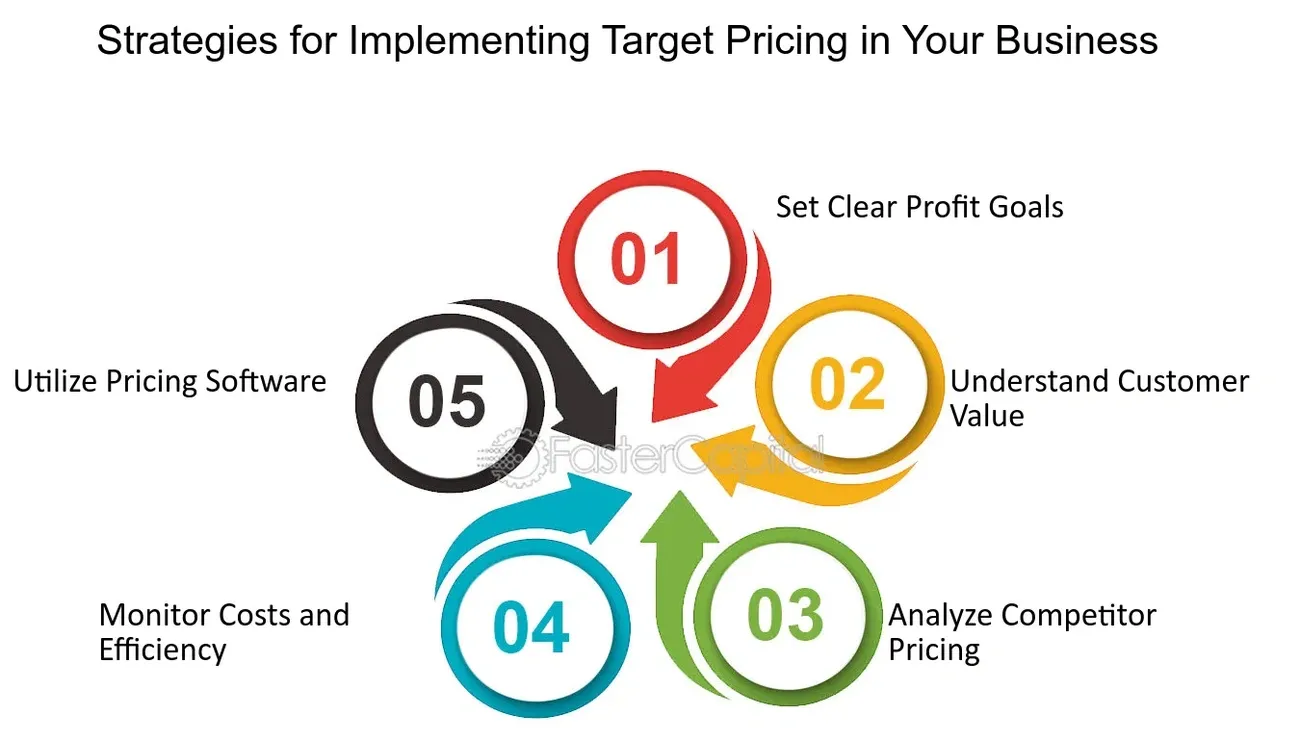
Putting transparent pricing meaning into practice requires careful steps across your business operations. Success depends on systematic execution, not good intentions.
Display clear and upfront pricing structures
Place pricing on your website in a prominent spot, ideally in the main menu under a dedicated page. Avoid hiding costs behind contact forms or long questions. Show the total price that customers must pay and include all mandatory fees. Use whole numbers and state whether costs are per month, per user, or per unit near the price. Stick to three or four pricing tiers to avoid analysis paralysis.
Provide detailed cost breakdowns
Break down every charge so customers know what they pay for. Structure costs hierarchically and include labor, materials, equipment, and overhead. Specify details like a 60-minute assessment for $120, an individual-specific plan for $30, and follow-up sessions at $25 each.
Communicate pricing changes regularly
Give customers advance notice of increases, either weeks or months ahead. Develop a cadence for price changes so customers expect them at regular intervals. Explain how increased costs affect your business rather than using vague language.
Make fees and charges visible
Display all fees upfront in online listings, application portals, and lease agreements. Be specific about policies like missed appointment fees and late cancelations.
Use simple pricing models
Use simple language that avoids technical jargon. Arrange pricing with how customers get value, whether by users, usage level, or features unlocked.
Conclusion
Transparent pricing isn’t just ethical business practice. It’s your competitive advantage. Share all costs and fees with customers and you build trust that translates into loyalty and revenue growth. Implementation requires commitment to clear display and detailed breakdowns, but the payoff shows up in increased conversions and customer lifetime value. Ready to turn your pricing into a profit driver? Subscribe to the AI Profit Pulse newsletter to get weekly pricing intelligence and experimentation frameworks that give you an edge competitors lack.