
Why Current Pricing Models Fail: The Missing Unstructured Data Factor
Did you know that businesses ignore 80-90% of their enterprise data when making pricing decisions? This gap in pricing trends explains why many companies can’t maximize their revenue.
The global Artificial Intelligence market has reached $235 billion and experts predict it will grow to $631 billion by 2028. AI capabilities have grown explosively, yet 71% of businesses can’t manage and secure their unstructured data. Only 30% of organizations will increase their IT budget for AI projects. Documents, videos, images, emails, sensor data, and social media content make up about 80% of all enterprise information[-5].
Generative AI has changed everything about future pricing strategies. Companies can now extract insights from unstructured data and enhance their traditional pricing analysis. Your pricing strategies might miss crucial signals without analyzing this big pool of information. Customer feedback, system logs, and market trends could help create pricing that strikes a chord with customers.
In this piece, you’ll learn why old pricing models don’t work anymore. You’ll see how AI reshapes the scene of data management trends. We’ll also explore practical ways to use unstructured data in pricing decisions that give you an edge over competitors.
Why Traditional Pricing Models Ignore Unstructured Data
Most pricing models rely on structured data alone. They miss vital signals that could improve pricing strategies. Unstructured data grows 55-65% yearly and makes up almost 90% of all enterprise-generated data. This blind spot explains why many pricing decisions fail to paint a complete market picture.
Structured vs Unstructured Data in Pricing Decisions
Structured data fits into rows and columns. It’s simple to search and analyze. Customer records, purchase histories, and sales figures all fit into specific fields with consistent formats. Unstructured data lacks a predefined format and has social media posts, customer reviews, call transcripts, and images.
Companies base their pricing largely on quantitative structured data. The deeper “why” behind customer actions lives in unstructured data. To name just one example, spreadsheets can’t capture customer sentiment about pricing, but reviews and social media comments tell the real story.
Limitations of ERP and CRM Data in Price Optimization
Standard ERP and CRM systems offer simple pricing capabilities. They fall substantially short with complex pricing scenarios. These systems:
-
Can’t simulate options for price changes across customers
-
Don’t support quick workflows for frequent price changes
-
Use neither price optimization nor artificial intelligence algorithms
-
Have limited pricing analytics capabilities
So they set prices based on fixed rules and historical data that might not reflect real-time market dynamics or competitor actions. This static approach creates missed revenue opportunities as markets evolve faster.
Examples of Missed Signals in Customer Feedback and Reviews
Many companies avoid investing time and resources to understand customer feedback. They give up or make gut-level decisions based on keyword searches. This approach leaves valuable pricing signals on the table.
Unstructured data analysis helps measure prices against competing products and determines optimal discount timing. On top of that, sentiment analysis of customer reviews reveals hidden insights about pricing perception. One company found that there was a screen resolution problem affecting user ratings after a new release – an issue structured data alone couldn’t show.
Companies that ignore unstructured data in their pricing strategies miss critical context clues. These clues could shape future pricing decisions and drive better business results.
The Role of AI and GenAI in Future Pricing Models
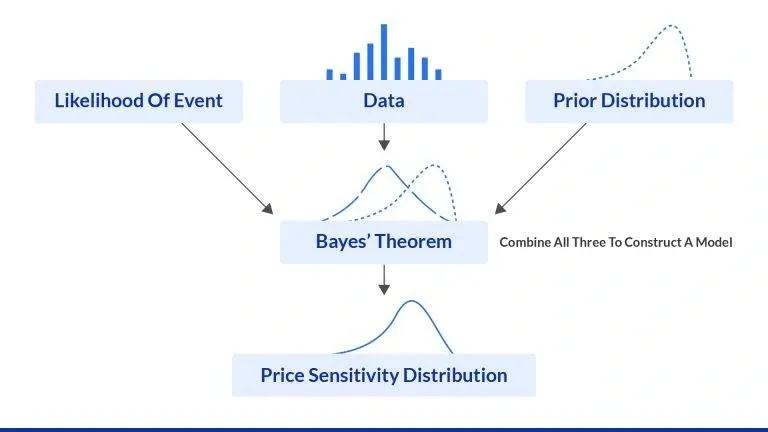
Image Source: Flipkart Commerce Cloud
AI is changing how companies set prices by finding value in data that was out of reach before. Tech companies are leading the way with 71% AI adoption, while retail and consumer sectors lag at 30%. This gap shows promising opportunities for businesses ready to adopt AI-driven pricing models. GenAI for Analyzing Unstructured Data Sets
GenAI for Analyzing Unstructured Data Sets
Generative AI does an excellent job processing information that traditional pricing models can’t handle - everything from customer reviews to social media posts. The technology naturally combines immediate data from both structured sources like cost and sales data and unstructured sources such as customer feedback and expert opinions. Insurance companies now employ GenAI to speed up claims processing by finding key insights in government IDs and reports. Many businesses also make use of these features to keep their internal product relationships organized and get a better grasp of market price levels.
LLMs in Pricing Trend Analysis and Forecasting
Large Language Models add new predictive capabilities to pricing strategies. Research shows RoBERTa models perform best for short-term forecasts, while GPT-4 works better for medium-term predictions in stable markets. These systems look at past transactions, predict commodity price changes, and group customers based on their behavior and expected profitability. Companies can test different pricing scenarios virtually before making real changes, which makes the process much safer.
AI-Powered Price Recommendations vs Human Oversight
AI improves pricing accuracy, but human judgment plays a vital role. The best approach uses a “human-in-the-loop” system where pricing professionals review AI’s suggestions. Airbnb’s system is a good example - it combines algorithmic “Smart Pricing” suggestions
with the host’s judgment, so human decisions work alongside AI recommendations. Companies should set clear rules about when human review is needed, especially with large price changes or sensitive markets.
Get the free pricing calculator when you subscribe to see how AI can improve your pricing strategies and boost revenue while you retain control of the process.
Dynamic Pricing and the Risk of Data Blind Spots
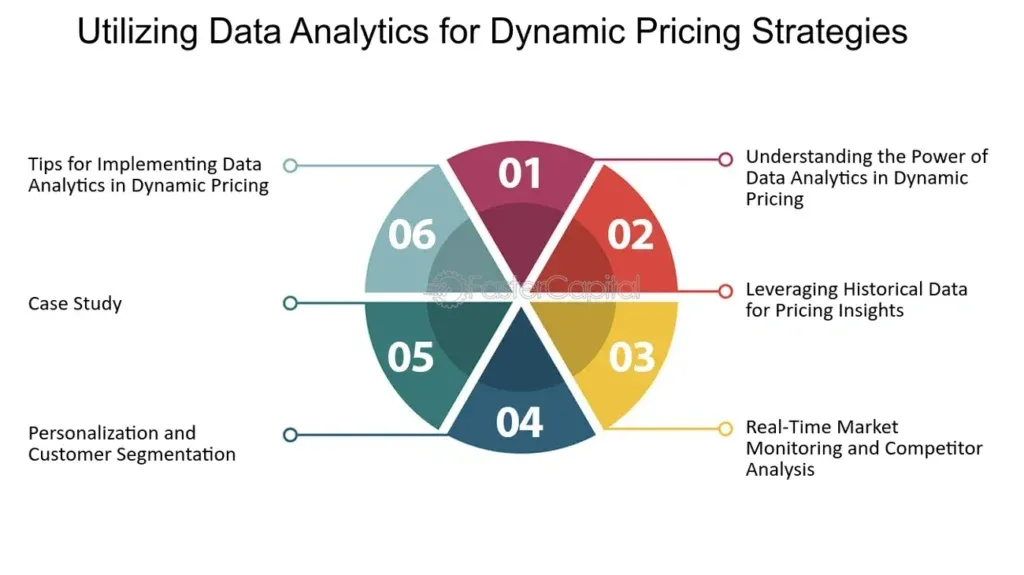
Image Source: FasterCapital
Pricing models that change on the fly often miss the big picture. They fail to pick up unstructured data signals that show what’s happening in the market.
Unstructured Data in Live Demand Signals
Regular forecasting tools only look at internal data and miss external warning signs that could spell trouble. A retail distributor in the UAE faced this problem with a mysterious drop in sales. Nothing unusual showed up in their calendars. The team later found that there was regional flooding that caused product shortages—a key factor their pricing models completely missed. AI models that learn from live data handle market changes better and match what customers actually do.
Customer Sentiment from Social Media and Support Logs
Social media feelings now play a vital role in pricing choices. Research shows 71% of US customers connect with genuine brands and want to support them. NLP technology can now sort millions of posts into positive, negative, or neutral categories. This helps detect emotional hints like frustration or joy that shape how people react to prices.
Case: Airline Pricing and Missed Contextual Cues
Airlines led the way in flexible pricing, which turned into surveillance pricing over time. Ticket prices can jump five times higher during holiday weekends. Price setting becomes unreliable when it depends on “soft variables” that customers can game. You end up measuring customer tactics instead of real demand.
Get the free pricing calculator when you subscribe to see how context shapes your pricing and profits.
Fairness and Transparency in AI-Driven Pricing
Fair and transparent AI-driven pricing stands as a crucial requirement that traditional pricing methods often overlook. A newer study, published in 2023, shows that customers trust algorithmic pricing more than human-set pricing. This trust doesn’t come automatically - companies must earn it through responsible practices.
Defining Fairness in Pricing Algorithms
The concept of pricing fairness changes based on what we measure. Similar customers should pay comparable prices, while access fairness looks at whether different demographic groups can afford the products. Universities make a great example of this balance. Charging everyone the same tuition would be perfectly fair but might keep low-income students from attending. Making education completely free could bankrupt these institutions. The best outcomes for businesses and consumers come from reducing fairness gaps rather than pushing for perfect equality.
Using Unstructured Data to Detect Bias in Pricing
Organizations’ unstructured data makes up about 90% of their information and shows biases that structured data might miss. AI pricing models can accidentally continue discrimination without proper analysis. Language patterns in employee feedback might reveal subtle age or gender biases that affect pricing decisions. Companies should regularly audit their pricing models with diverse datasets to stop discriminatory outcomes.
Communicating Price Changes with Contextual Justification
Trust through transparency ranks among the most important ethical aspects of AI pricing. Price trend analysis grows more complex each day, which makes explaining price changes crucial. Companies need to explain their pricing calculations clearly in ways their audience understands. This builds customer trust, especially when price changes lead to better service or individual-specific experiences.
Conclusion
Traditional pricing models ignore huge amounts of valuable data. Most businesses completely miss the critical pricing signals hidden in unstructured data that makes up 80- 90% of enterprise information. Companies that stick to outdated pricing methods based only on structured data are nowhere near as competitive in today’s ever-changing markets.
AI technologies, especially when you have generative AI, change how businesses tackle this challenge. These advanced tools now make previously unavailable unstructured data sources easy to analyze at scale. Customer reviews, social media sentiment, support logs, and other unstructured content give context that structured data alone can’t provide. Businesses need to look beyond traditional ERP and CRM systems to capture these essential pricing signals.
In spite of that, human oversight is a vital part of the process even with AI’s analytical power. The best pricing strategies use a “human-in-the-loop” approach. AI generates recommendations that pricing professionals review and improve. This partnership between technology and human judgment helps avoid pricing decisions that might look good on paper but miss real-world market context.
Your AI-powered pricing initiatives must follow principles of fairness and transparency. Regular audits help spot biases in your data. Clear communication about price changes builds customer trust. The focus should be on reducing fairness gaps to balance business needs with customer expectations rather than chasing perfect price equality.
AI-enhanced pricing strategies need investment, but the potential returns are worth the costs. Companies that use unstructured data in their pricing decisions learn about markets better and react faster to changes. They ended up with stronger financial results. Markets keep getting more complex and competitive. Without doubt, knowing how to extract pricing intelligence from all available data will determine your long-term success.