
Why Most AI Customer Experience Strategies Fail (And How to Fix Them)
CEOs have a clear vision about AI. A remarkable 70% of them expect generative AI to reshape how their companies create and deliver value within three years. Their AI customer experience projects often miss the mark despite recognizing this game-changing potential.
Numbers tell an interesting story. The Zendesk Customer Experience Trends Report reveals that 81% of consumers see AI as crucial to modern customer service. About 70% can spot the difference between companies that use AI well and those that don’t. Many organizations still find it hard to build AI solutions that make customer interactions better instead of more complex.
Companies often miss the mark because they focus too much on AI technology rather than its impact on customer experience. Top organizations believe AI will handle 8 out of 10 customer issues without human help in the future. Success takes more than just adding AI tools - it needs a customer-first strategy.
AI has become essential to customer experience. The adoption rates jumped from 34% in 2022 to 42% in 2023. You should understand why AI strategies fail and how to create systems that bring real value to your customers.
Why AI Customer Experience Strategies Often Miss the Mark
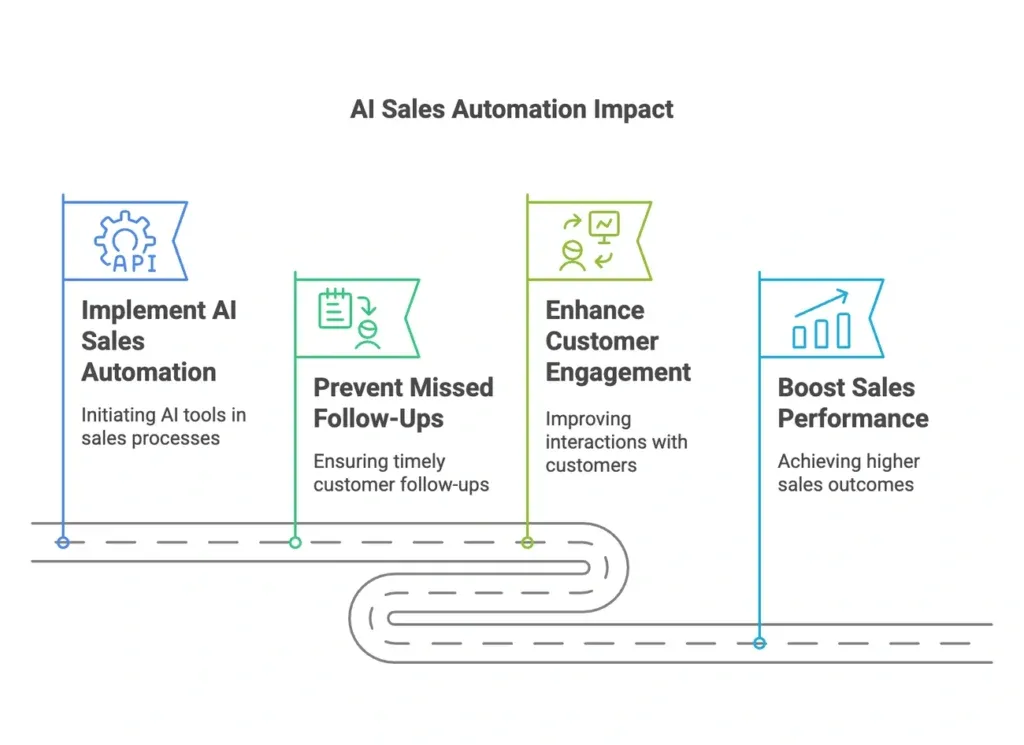
Image Source: 7Targets
“Inside of every problem lies an opportunity.” —Robert Kiyosaki, Author of ‘Rich Dad Poor Dad’, renowned business educator
Companies spend big on AI to improve customer experience, but many projects fall short of expectations. Learning about why these strategies don’t work is vital to create better solutions.
Lack of clear customer journey mapping
Many organizations implement AI without exploring friction points in their customer interactions. They layer AI on top of broken workflows instead of fixing basic process problems. These companies expect technology to fix underlying inefficiencies. This approach skips a vital step: identifying the exact points in a customer’s trip where AI would add the most value.
Companies don’t deal very well with figuring out which touchpoints need automation and which need human expertise without proper mapping. On top of that, AI generated journey maps become either too complex with unnecessary information or too simple to provide useful insights.
Over-reliance on automation without context
The rush to optimize often results in too much automation that doesn’t understand context. About 64% of consumers who participated in chatbot interactions reported bad experiences when AI couldn’t understand their intent. More than 75% of customers think chatbots can’t handle complex issues, and 85% find their problems need human help.
This gap exists because most AI systems focus on deflection rather than solving problems. These systems learn to move tickets away from human agents without fixing customer issues. As a result, only 8% of customers solve their problems after using AI customer service tools.
Failure to integrate AI with existing systems
Technical challenges create a big roadblock. More than 90% of organizations have trouble blending AI with their current systems due to old infrastructure that doesn’t work well together. About 63% of enterprises face delays in AI deployment because of integration issues, and 41% see project costs jump by 30-50%.
Bad data quality makes these problems worse. Messy, incorrect, or outdated information hurts AI performance since the technology needs clean, well-laid-out data to learn and make decisions. AI implementations will always disappoint if these basic data quality issues remain unsolved.
The Promise of AI in Customer Experience
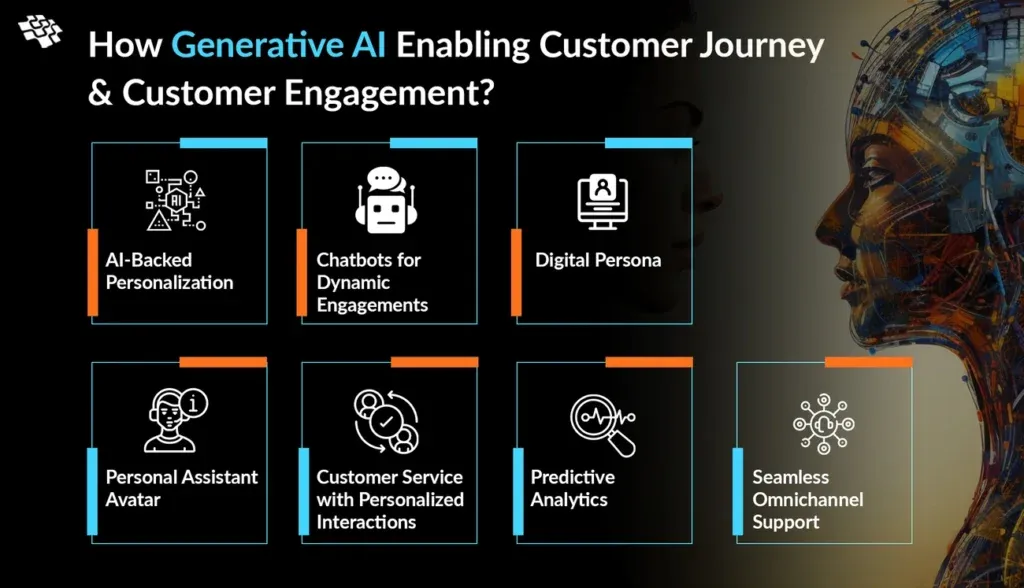
Image Source: NextGen Invent
AI creates game-changing opportunities to enhance customer experience through strategic implementation. Companies that put customers first instead of technology can discover AI’s full potential.
Predictive analytics for proactive support
AI knows how to analyze big amounts of data and helps businesses solve customer problems before they happen. Companies can watch network data, spot unusual account activity, and find service disruptions through predictive analytics. Your support team can notify customers with solutions before problems get worse.
Prediction does more than just troubleshoot. AI systems can spot customer needs and trigger the right responses by analyzing behavior, past interactions, and live data. AI can spot delayed packages automatically and start fixing things like giving refunds without human help. Customers feel understood and supported consistently, which leads to less customer loss.
AI-driven personalization at scale
Personalization has become essential for business success - 71% of consumers now expect companies to tailor their content. AI makes hyper-personalization possible by studying customer data, including browsing history, buying patterns, and priorities to provide relevant solutions.
AI-powered personalization connects with individual consumers directly, unlike traditional methods that group customers together. This personal touch creates authentic interactions—71% of consumers expect tailored interactions from companies, and 76% feel frustrated when businesses don’t deliver.
Companies that focus on customer experience through personalization grow three times faster than their competitors. Research shows personalization programs can cut customer acquisition costs by half.
Automation of routine tasks to reduce friction
AI handles repetitive tasks that usually take up agent time. AI-powered chatbots manage common questions and fix simple problems instantly, any time of day. This 24/7 availability matches what customers want in terms of convenience.
Wait times drop by a lot when routine processes like password resets and order updates become automated. Businesses can handle more customer requests at once without losing service quality. Human agents can focus on complex issues that need empathy and creativity.
Results prove this works—99% of service professionals say automated customer service helps them work better.
Where Most Strategies Go Wrong
Many companies invest heavily in AI technology, but their customer experience strategies often fall short. Learning about these challenges is vital to build working solutions.
Ignoring the human element in AI interactions
AI’s biggest weakness remains emotional intelligence. Research shows that 70% of consumers would rather talk to human agents for customer service. AI agents cannot understand emotional context well enough yet. This leads to cold or inappropriate responses that can harm a brand’s reputation.
Poor data quality and siloed systems
Quality data forms the backbone of effective AI. Companies lose about $12.90 million each year due to bad data quality. The “garbage in, garbage out” rule means AI models produce unreliable results when trained with flawed data. On top of that, 80% of companies face problems with isolated data systems. This creates incomplete customer profiles and stops AI from getting complete information.
Lack of continuous learning and feedback loops
Companies often make the mistake of treating AI as a one-time project instead of an ongoing process. Successful businesses see AI as a continuous learning cycle. They analyze what works well, remove what doesn’t, and use these analytical insights to create breakthroughs.
Misalignment between AI goals and customer needs
Businesses sometimes adopt AI just because it seems innovative or their competitors use it—not as part of a focused strategy. AI projects lose direction without clear goals. To cite an instance, a retail company might try to improve customer experience but struggle to choose between speed, personalization, or better support.
How to Build a Successful AI-Driven Customer Experience
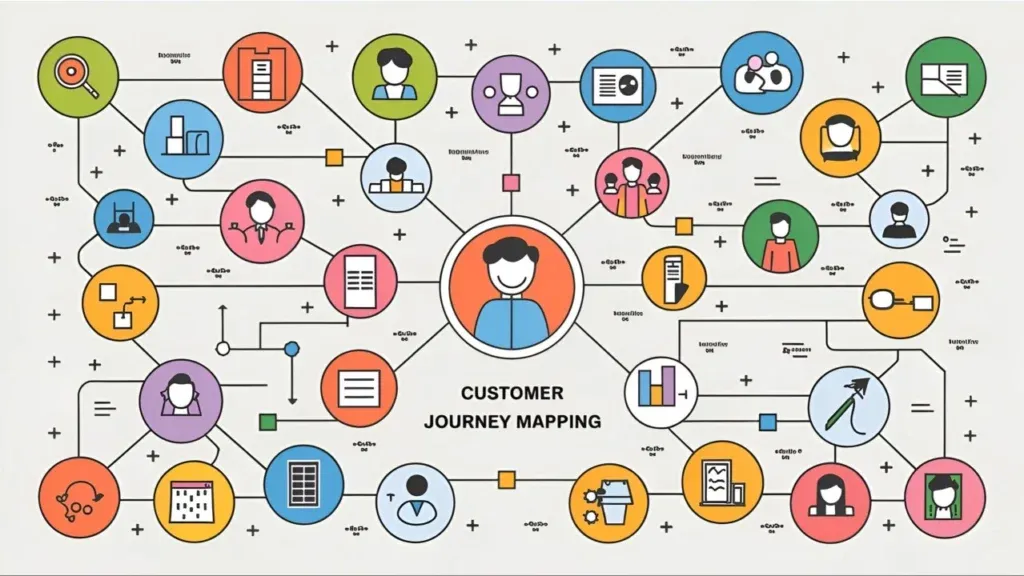
Image Source: LinkedIn
“Inside of every problem lies an opportunity.” — Robert Kiyosaki, Author of ‘Rich Dad Poor Dad’, renowned business educator
A methodical approach with clear priorities helps build AI systems that improve customer interactions. These principles will guide you to create AI solutions with real value.
Start with customer needs, not technology
Your AI implementation success depends on identifying specific customer pain points. Customer-centric AI development solves real problems that affect satisfaction, unlike technology-driven approaches. Research shows businesses create better experiences when they prioritize customer needs over technology. The best way starts with mapping customer experiences to find friction points where AI offers meaningful solutions.
Ensure seamless data integration across platforms
Quality data flowing throughout your organization determines AI effectiveness. Customer data guides experiences as personalization expectations reach new heights. Customer data often stays trapped in different platforms and departments, which limits AI capabilities. Subscribe for pricing insights that turns your profits into growth levers A single source of truth for customer data helps every AI-powered tool work better.
Balance automation with human empathy
AI excels at routine tasks, but human touch with empathy and emotional intelligence creates better customer experiences. Companies that show empathy perform better in sales and profit than those that don’t. The best strategy combines AI efficiency with human help at key moments—51% of customers like automated agents for quick answers, while 67% prefer humans for complex questions.
Use up-to-the-minute data analysis to adapt and improve
Up-to-the-minute data analysis revolutionizes customer service by capturing patterns and predicting needs instantly. Your team can watch live interactions and respond immediately. This helps businesses customize experiences on the spot and fix problems as they happen.
Test, measure, and iterate continuously
Creating useful AI features requires validation through ongoing testing. Companies should build early prototypes, run realistic tests, measure both task success and emotional responses, and use this feedback for improvements. This testing approach creates a safety net for innovation and turns possible failures into learning opportunities.
Conclusion
AI technology can change customer experiences, but many organizations fail to implement it properly. Most companies don’t deal very well with turning AI’s potential into actual results.
Success requires a fundamental change in point of view. The best companies see AI as a strategic tool to solve customer problems, not just a tech upgrade. Customers quickly spot the difference between AI systems that work and those that don’t.
Companies must fix the root causes of failure before starting any AI project. They should map their customer’s trip first and make technology decisions later. A balance between automation and understanding context helps avoid the bad experiences that 64% of chatbot users report. Data integration across systems is challenging but crucial to AI’s success.
Tomorrow’s successful organizations will blend AI’s efficiency with human warmth. Their customers value human interaction for complex issues while enjoying AI’s speed for routine tasks. This balanced strategy creates experiences that are both quick and personal.
Regular testing and improvements should become the norm. AI systems need constant updates based on ground performance and customer feedback. AI implementation isn’t a single project but a growing capability that becomes better with time.
Customer needs drive the best AI strategies, regardless of technological progress. Organizations create better experiences by focusing on real customer problems instead of showing off new technology. While building effective AI solutions isn’t easy, companies that succeed gain a strong competitive edge in today’s AI-driven market.