
Why Predictive Pricing Fails: Hidden Patterns Your Analytics Miss
Manufacturers need predictive pricing to stay ahead of unstable material costs and market changes. A recent report shows that 82% of enterprise CFOs already use generative AI. More than half of them are ready to invest in AI tools for predictive analytics. Many predictive pricing models don’t deliver what they promise and miss key patterns that hurt profits, despite wider adoption.
Smart pricing tools help companies maximize their profits. These tools set the best prices and spot cost increases before they happen. They also adjust prices automatically based on immediate data. The success of these tools depends on spotting hidden patterns that basic analytics miss. Predictive analytics works with both continuous variables (like wasted raw material weight) and discrete variables (like unhappy customer numbers per quarter).
More companies now rely on predictive analytics to boost profits and beat competition. This makes it vital to understand why these powerful tools sometimes fail. Data has exploded in volume and variety. Now analysts and business users can work with predictive analytics - not just mathematicians and statisticians. This wider availability creates new problems when key signals get buried in too much data.
This piece reveals the hidden patterns your analytics might miss. You’ll find practical ways to move from reactive to proactive pricing that will give you an edge in today’s manufacturing world.
Why Predictive Pricing Models Often Miss the Mark
Predictive pricing models often fall short of what we expect, even with their fancy algorithms and growing popularity. The gap between what they promise and what they deliver usually comes from basic problems in how these systems handle and adapt to new information.
Why Predictive Pricing Models Often Miss the Mark
Your pricing decisions and market position can take a hit when predictive pricing tools fail to capture key market changes. You need to know these limitations to build a better pricing strategy.
Overreliance on Historical Averages
The basic problem with predictive pricing algorithms is they assume tomorrow looks like yesterday - this doesn’t work in shaky markets. These models think historical data provides an unbiased sample, but that’s rarely true. Companies build models using data from existing customers, which creates a bias that throws off predictions.
Price-specific models focus too much on tweaking classification factors instead of looking at real experience data. This might work for small personal lines but causes problems with bigger commercial risks where past performance matters a lot.
On top of that, it’s easy for predictive models to become too specific - they fit the training data too perfectly. This makes them less useful when they face new situations, leading to wrong price suggestions as market conditions change.
More data can create problems while offering benefits. Extra data should make forecasts better, but it often drowns managers in irrelevant numbers. They end up relying too much on old data instead of valuable local insights. Research shows plants with more data actually make worse forecasts - each standard deviation increase in data intensity makes expected forecasts 22% less accurate.
Failure to Account for Real-Time Market Shifts
The most important weakness of regular predictive pricing models is they can’t keep up with live market changes. Markets change faster, customers act differently, and outside factors shake up business - static models using old data fall behind quickly.
Live data processing isn’t just about constant updates. It’s about turning that information into useful pricing decisions fast. Even the newest data loses value if your systems can’t react quick enough.
What happens when you ignore live data? Here’s what you miss:
-
New trends your competitors might grab first
-
Quick responses to aggressive competitor price changes
-
Price adjustments during sudden demand changes or supply problems
Companies face real challenges setting up live pricing:
-
Old tech that needs manual work
-
Spreadsheets that create delays and make live data useless
-
Not enough analysts to make sense of market signals
So predictive models often miss external factors like economic indicators, new regulations, or global events. Financial experts note that markets don’t predict the future well. The best market values have often come right before tough times, but predictive models rarely catch these warning signs.
Good predictive pricing needs to understand what makes demand change with price - not just spot patterns. A model that only looks at old price and sales patterns can’t tell you what will happen with new prices, just what happened before. Many businesses miss this key difference between prediction and cause when they set up predictive pricing systems.
Hidden Patterns in Customer Behavior That Go Undetected
Image Source: PixelPlex
Standard analytics tools can’t fully grasp how customers make buying decisions, even with the best predictive pricing models. Customer behavior has hidden patterns that often go unnoticed. These blind spots make pricing less effective.
Nonlinear Purchase Triggers in B2B vs B2C
Buyers rarely follow a straight path that pricing algorithms expect them to take. The old model (Awareness → Consideration → Decision) doesn’t match reality. B2B buyers move back and forth between stages or work with multiple decision-makers at once non-linear paths. This makes life hard for predictive pricing models.
B2B and B2C buying behaviors are different in key ways:
-
Decision Complexity: B2B purchases usually need 6-10 decision-makers who look for information on their own. Each team member has different priorities - from ROI and security to how well things work together and user experience.
-
Timeline Variations: B2B deals take longer and cost more than B2C deals. B2B buyers spend months reading whitepapers, reports, peer reviews, and analyst opinions before they talk to sales.
-
Risk Perception: B2B choices can affect many people’s jobs, including the decision maker’s. That’s why brand reputation, reviews, and what others say matter more in B2B decisions.
Price Sensitivity Variance Across Segments
Predictive pricing models often miss how price sensitivity changes between customer groups. What people say about their “value consciousness” rarely matches what they actually buy. This gap between words and actions creates a major problem for predictive models.
Price sensitivity changes based on:
-
Product Context: What’s happening when someone buys something matters. People are twice as price-sensitive when buying gifts compared to buying for themselves. Parents watch prices more closely when buying for kids than for themselves.
-
Geographical Variations: Where you sell matters for certain products. People in India watch restaurant prices very carefully, while folks in Japan, Mexico, Canada, and most of Europe don’t worry about them as much.
-
Market Position: Markets with unique products see less price sensitivity than those where many companies sell similar items.
Impact of Seasonality and Micro-Trends
Predictive pricing models often miss important signals about seasons and new trends. Getting seasonality right helps create better predictions.
Good predictive models should:
-
Identify Cyclical Patterns: Models should look at past data to spot regular ups and downs. They need to separate seasonal patterns from overall trends.
-
Account for Micro-Trend Velocity: Social media makes trends catch on faster than ever. A TikTok trend can boost demand by 400% in just three days. Most pricing models can’t track social media buzz fast enough.
-
Recognize External Triggers: Weather changes how people shop more than we think. The National Retail Federation says weather influences 45% of unplanned store purchases.
These hidden patterns show why many predictive pricing models don’t work well enough. Your pricing strategy needs to handle complex buying journeys, different customer groups’ price sensitivity, and quick-changing trends. Otherwise, you might miss out on making more money.
Data Quality Issues That Undermine Predictive Pricing
Quality data feeds your algorithms and that’s what makes predictive pricing work. Many companies skip this vital step and rush to build sophisticated models. The best predictive tools won’t work if they’re built on bad data.
Incomplete or Inconsistent Transaction Records
Bad data quality hurts predictive pricing in businesses of all types. IBM reports that data quality problems cost U.S. businesses over $3.10 trillion each year. On top of that, businesses find that about 29% of their customer data has errors. This creates a weak foundation for any pricing analysis.
Problems with transaction histories can really mess things up. To name just one example, see how wrong categories lead customers to misread their spending - like when banks label grocery shopping as restaurant expenses because they use old merchant codes. Banks might approve risky loans because they don’t have enough information about someone’s credit.
These problems affect daily operations too. Sales teams waste 546 hours yearly (27.3% of their time) fixing bad customer data. This isn’t just about lost time - they miss chances to set better prices based on how customers behave.
Lack of Granular Competitive Pricing Data
Companies often set wrong prices because they don’t have good data about their competition. The biggest problem comes from matching products incorrectly, which means pricing platforms can’t give applicable information needed to make good decisions. Without exact matches at the variant level, comparing similar products becomes nowhere near reliable.
Common problems with competitive pricing data include:
-
Data collectors break when competitor websites change
-
Wrong product IDs (UPCs or GTINs) lead to bad comparisons
-
Too much focus on product names that change between sellers
-
Nobody checks for errors or new factors
When you collect the data matters a lot for accurate predictive pricing. Today’s ever-changing markets need immediate pricing data. Late competitive data means missed price changes and promotions. Competitors can undercut prices without warning and your system reacts too slowly.
Substantive Research found that pricing problems are systemic in market data. Their latest study showed some providers charge certain clients 26 times more (2632%) than others for similar index products and services.
Outdated Product Hierarchies in ERP Systems
Old ERP systems create ongoing data quality issues that hurt predictive pricing accuracy. These systems get worse over time with more data errors, duplicates, and disorganization. They use basic data checks and often don’t track changes well.
Data hierarchy problems like messy customer records, mismatched product structures, and old account charts can stop pricing projects dead. Old systems also have more bugs that can corrupt your pricing data.
These issues go beyond just bad data. Managing data in old ERPs gets harder and that makes basic pricing tasks like reports and tracking unnecessarily complex. Old product hierarchies create gaps between your pricing strategy and how it works in practice.
Many companies still update prices by hand, which makes quick changes impossible when costs shift. Research shows companies lose 8-12% of revenue from data quality issues. Better data could help supply chain models save 3-8% in costs.
Companies need to fix these basic data quality problems before they try fancy algorithms for predictive pricing. Your predictions will only be as good as the data you feed into your models.
Modeling Limitations in Predictive Pricing Algorithms
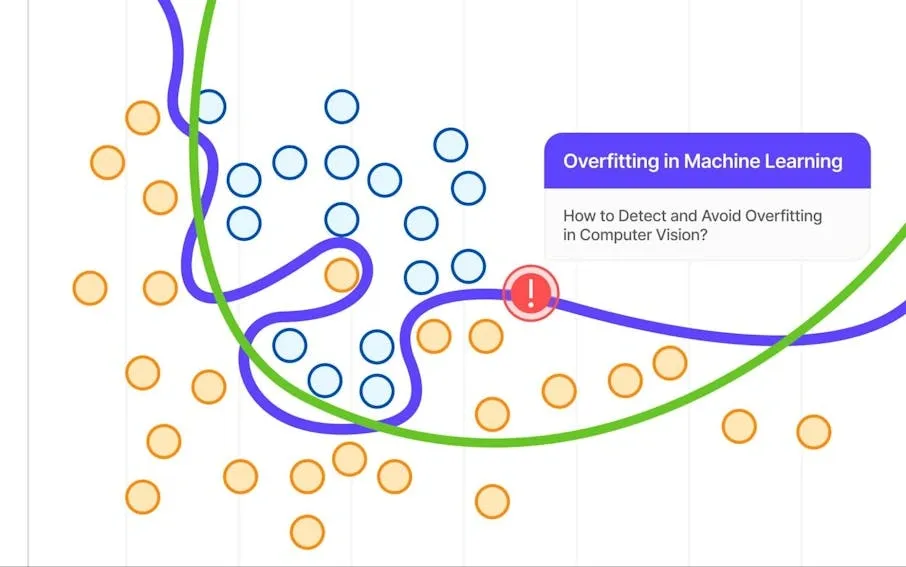
Image Source: Encord
Predictive pricing algorithms face challenges beyond data quality and customer behavior. The core structure of these algorithms has built-in flaws. These flaws can affect their ground application even when you implement them perfectly.
Overfitting in Machine Learning Models
Machine learning models often struggle with overfitting. They work great with training data but fail when they see new information. This creates false confidence in how well they can predict prices. The model just memorizes the training data instead of learning patterns it can use later for pricing decisions.
You can spot overfitting when loss curves start to split between training and validation datasets. Both curves look similar at first. The split happens as training goes on - loss drops for training data but goes up for validation data. This suggests the model now remembers noise instead of finding useful patterns.
This problem shows up in predictive pricing for several reasons. Models have to work with too little data to draw proper conclusions. They get too complex with too many parameters, which makes them sensitive to small changes in training data. Too much training makes models copy historical pricing data too closely and pick up meaningless changes.
Businesses pay a heavy price for this. Retailers might set prices too high or low because of overfitted models. This leads to missed sales or smaller profits. Banks and financial firms face bigger risks - wrong pricing of financial products can cost them dearly.
Ignoring External Variables like Macroeconomic Indicators
Most predictive pricing models work in their own bubble, cut off from economic reality. Research shows that time-series pricing models make predictable mistakes that link directly to economic factors they don’t consider. Ensemble methods work better than simple time-series approaches because they can factor in economic forces that affect mid-term prices.
The ice cream vendor case makes this clear. Looking at just price and sales might make you think higher prices boost sales. What’s missing? Temperature affects both prices and demand. Models stay fundamentally flawed without these external factors.
Important external factors often left out include:
-
Economic indicators like GDP growth, inflation, and interest rates
-
Regulatory changes that affect industry pricing
-
Changes in competition and new market players
-
Supply chain problems and material cost changes
These external factors bring their own challenges. Economic data often comes in late - monthly or quarterly - which makes real-time price adjustments tough. Economic variables also interact in complex ways, making it hard to see how each one affects pricing.
Inflexible Rule-Based Pricing Engines
Old pricing engines create another bottleneck. Traditional Product and Pricing Engines (PPEs) were built for stable markets where prices rarely changed. These dated systems use rigid frameworks with hard-to-change rules.
These limitations show up in many ways. The engines react slowly to market changes, which becomes a big problem when prices need to change multiple times per day. Adding new or custom products gets extremely difficult. Companies must pay for expensive seat licenses whether they use them or not.
Unlike modern flexible systems, traditional PPEs can’t easily change their rules without complex coding. This makes it hard to match your pricing strategy with market conditions. For special products, many companies fall back to manual spreadsheets that can lead to mistakes.
Problems become obvious with promotional or short-term pricing. Old engines can’t handle these well, so companies end up running multiple pricing systems. This creates inconsistency and weakens their overall pricing strategy.
Real-World Examples of Predictive Pricing Failures
Real-life pricing failures show how companies struggle when they misread market signals, customer behavior, and competitive dynamics.
Retailer Mispricing Due to Ignored Regional Trends
Large retailers face complex challenges to maintain consistent pricing across multiple sales channels and regions with extensive product portfolios. A major retailer managing over 20,000 SKUs found that their predictive pricing models didn’t account for regional purchasing power differences, which led to major profit losses. The company used outdated Excel-based systems that couldn’t adapt to sudden demand changes, especially for smartphone accessories sold across different countries and marketplaces. They couldn’t update prices quickly enough to match competitor changes, which started a downward spiral. Automated repricing engines from competitors kept pushing margins lower.
SaaS Company Over-discounting from Misread Churn Risk
A UK-based B2C tech startup shows how pricing mistakes can put business survival at risk. The company made two price increases based on wrong churn predictions. This led to slower customer acquisition, higher churn rates, and lower profits. Their pricing model missed a crucial fact - new customers paying higher prices stayed only one-third as long and generated much less revenue than earlier customers. The problem went unnoticed because their analytics looked at monthly purchases instead of customer acquisition dates. Profits had already dropped before they spotted these trends.
CPG Brand Losing Margin from Static Elasticity Assumptions
CPG companies often use outdated elasticity models that don’t connect important variables. Industry analysis shows that many CPG brands run promotions without measuring their real impact. This means they subsidize regular sales and eat into their margins. Yes, it is concerning that less than 15% of trade promotions make a positive ROI, yet these companies can’t pinpoint where they lose margin or how to fix it. A Consumer Electronics CPG tried to build a pricing model combining internal ERP data with point-of-sale information. Their basic predictive tools couldn’t handle these complex requirements. Teams ended up working in isolation with manual spreadsheets instead of making strategic, informed pricing decisions.
How to Improve Predictive Pricing Accuracy
Image Source: 365 Data Science
You need three key improvements to get reliable pricing predictions that tackle the weaknesses of traditional approaches.
Incorporating Real-Time Data Streams
Modern platforms can process specific data points instead of complete datasets. This eliminates the bottlenecks that don’t deal very well with legacy batch processing systems. Markets change quickly, and agile pricing adjustments become possible without waiting for scheduled updates. Data-agnostic solutions work with multiple sources—competitive pricing, promotional forecasts, transaction data, and weather updates—without vendor lock-ins. You retain control over your existing data providers while keeping important business relationships intact.
Using Ensemble Models for Better Generalization
Ensemble methods combine multiple learning algorithms that perform better than any single algorithm. These methods train different weak models on the same task and produce unified output with better accuracy and lower variance. Gradient-boosted trees and random forests need less training time than traditional neural networks and deliver superior results for pricing applications. The system reduces overfitting—a common pricing prediction problem—by averaging predictions from multiple models.
Integrating Predictive Pricing Tools with CRM and ERP
Your CRM and ERP systems combine smoothly to give you a live view of operations. Teams get accurate information without data silos or manual work. Sales representatives can check inventory levels instantly while finance teams predict demand based on customer patterns. The pricing software works as a “translator” with your existing data and uses machine learning to analyze your company’s unique information.
Conclusion
Predictive pricing models should give companies a competitive edge, but they often fall short because of basic flaws in their design and setup. This piece looks at why these smart tools miss key patterns that affect your profits.
Regular analytics tools miss crucial signals in customer behavior. These include nonlinear purchase triggers between B2B and B2C markets, price sensitivity differences across segments, and quick-changing micro-trends. Poor data quality makes predictive pricing less effective. Missing transaction records, limited competitive data, and outdated product structures create shaky ground for making decisions.
The built-in limits of predictive pricing algorithms cause more problems. Overfitting, missing economic indicators, and rigid rule-based pricing engines hurt their ground effectiveness. These gaps lead to expensive mispricing situations. Retailers miss regional trends, SaaS companies misread churn risk, and CPG brands stick to old elasticity assumptions.
Your approach needs three key upgrades. You should add up-to-the-minute data streams for quick pricing changes. Using ensemble models can cut down overfitting and boost accuracy. The last step connects your predictive pricing tools with current CRM and ERP systems. Our newsletter offers exclusive tips to use these advanced pricing strategies that can boost your profits by a lot.
Smart companies spot these hidden patterns to avoid pricing mistakes and turn predictive analytics into a real edge. Those who understand these limits and fix them won’t just react to market changes - they’ll see them coming. That’s the true power of predictive pricing at work.
Key Takeaways
Predictive pricing models often fail because they miss critical market signals and customer behavior patterns that standard analytics overlook. Here are the essential insights to transform your pricing strategy:
• Historical data creates dangerous blind spots - Models relying on past averages miss real-time market shifts and nonlinear customer purchase triggers, leading to costly mispricing decisions.
• Data quality issues undermine 82% of pricing accuracy - Incomplete transaction records, outdated product hierarchies, and poor competitive intelligence cost businesses over $3.1 trillion annually.
• Overfitting algorithms memorize noise instead of learning patterns - Complex models that perform well on training data often fail in real-world scenarios, causing retailers to set suboptimal prices.
• External variables like macroeconomic indicators are frequently ignored - Models operating in isolation from broader economic realities miss critical pricing influences and market dynamics.
• Real-time data integration with ensemble models dramatically improves accuracy - Combining multiple algorithms with live data streams and CRM/ERP integration reduces overfitting while enabling agile pricing responses.
The key to successful predictive pricing lies not in more sophisticated algorithms, but in addressing these fundamental flaws through better data quality, real-time integration, and ensemble modeling approaches that account for the full complexity of market dynamics.